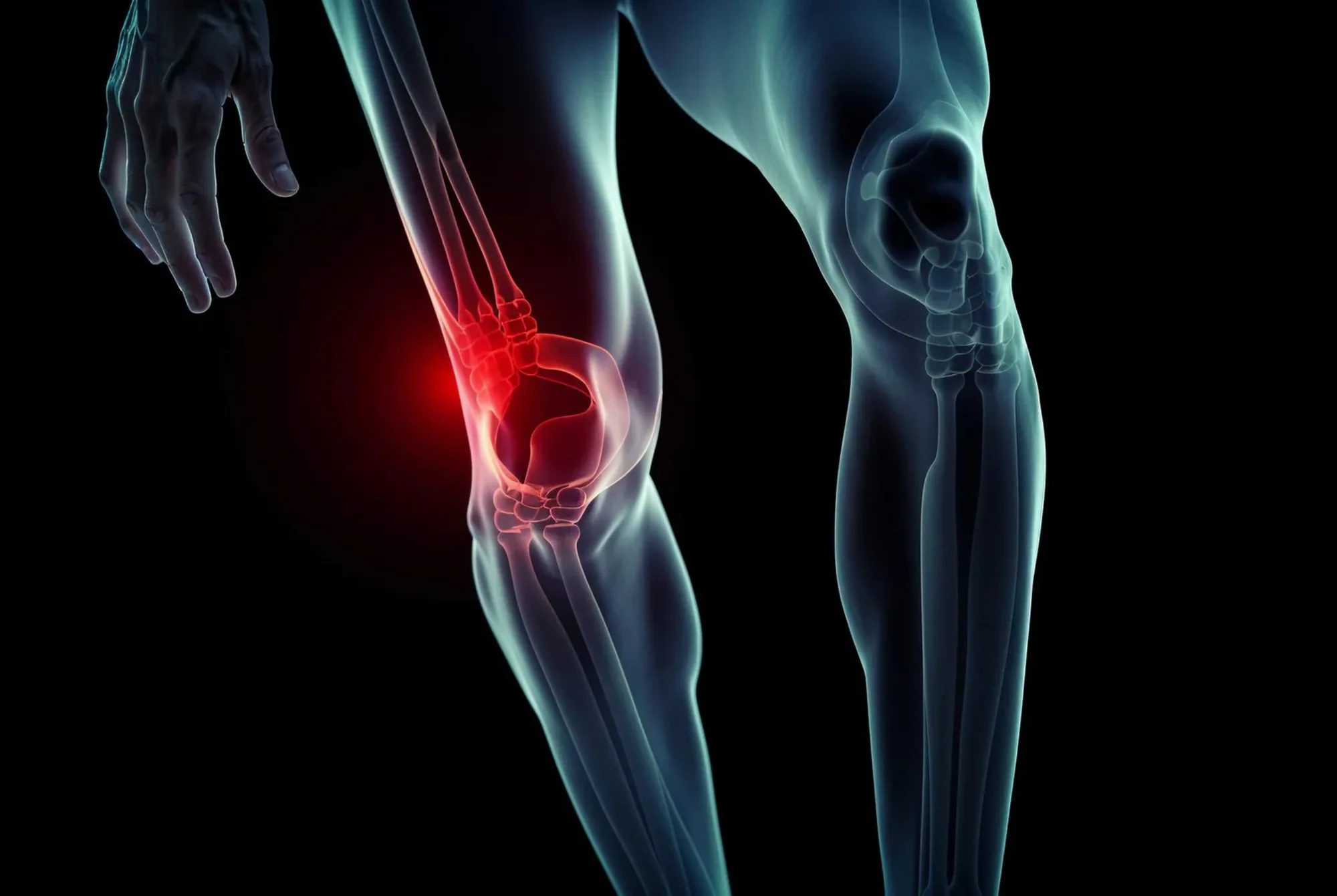
Fascia & Knee Instability: Regaining Control with Fascial Manipulation
Your Body's Intricate Web: The Role of Fascia
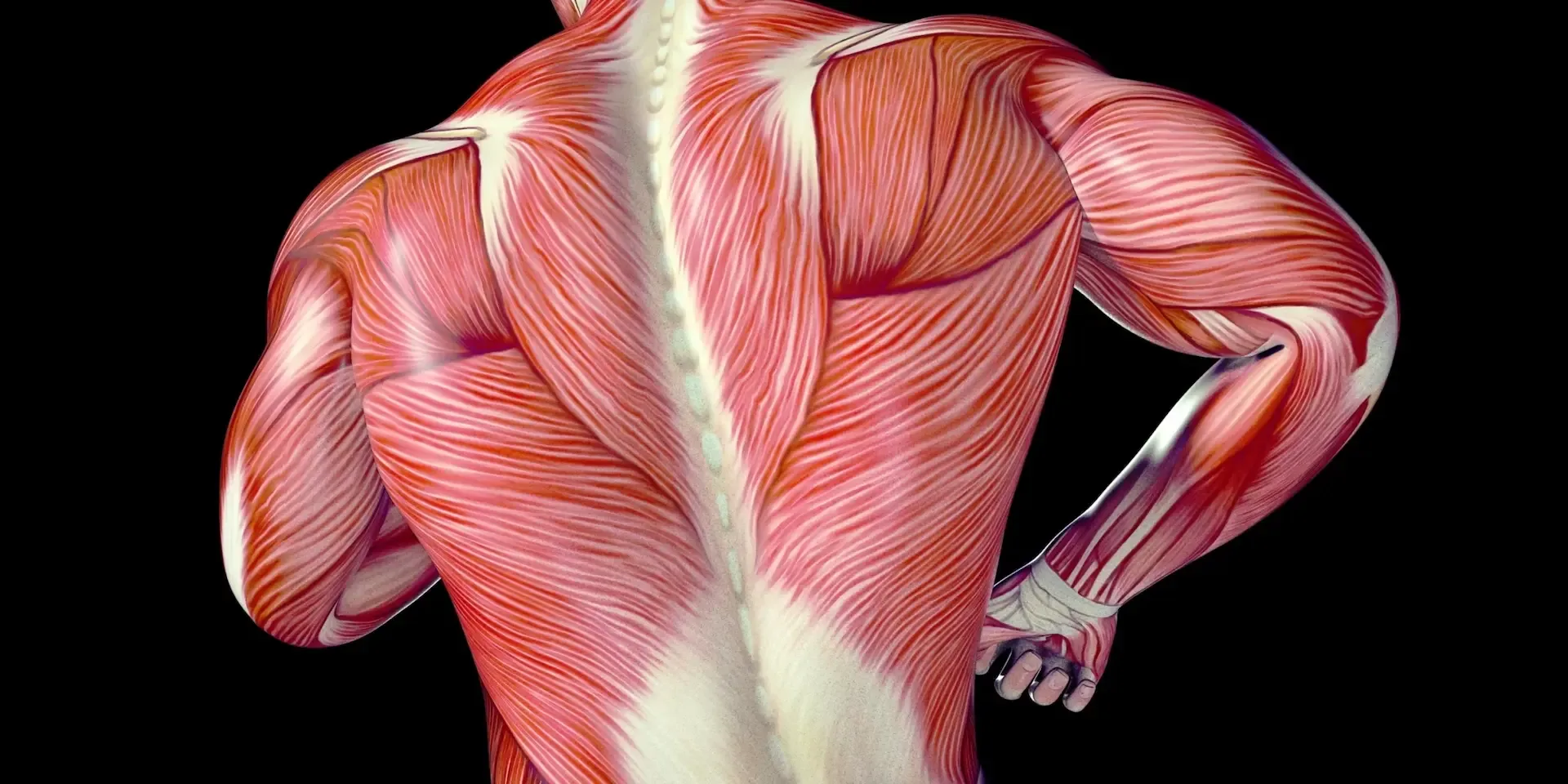
The human body is an intricate system of interconnected tissues, and among the most critical yet often underappreciated is the fascia. Fascia is a dynamic, web-like connective tissue that not only envelops and penetrates muscles, nerves, and organs but also forms a continuous three-dimensional matrix throughout your entire body. For a deeper understanding of this crucial system, read our article: Understanding Fascia: Your Body's Hidden Network for Pain Relief & Movement. This pervasive structure provides essential mechanical support and plays a pivotal role in sensory perception and neuromuscular coordination.
Fascia's Crucial Role in Muscle-Nerve Communication
Fascia is richly innervated with specialized sensory receptors, including mechanoreceptors and proprioceptors. These receptors are essential for detecting minute changes in tension, pressure, and movement, continuously feeding vital information to the central nervous system. This feedback loop is crucial for your brain to accurately interpret body position, movement, and balance.
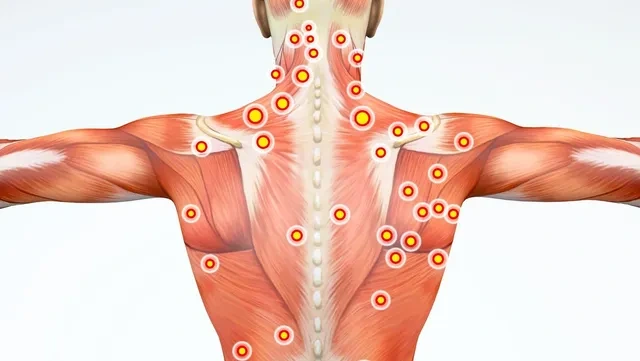
However, when fascia becomes densified, restricted, or loses its natural gliding capacity—due to factors like injury, poor posture, repetitive strain, or inflammation—it can significantly impair the transmission of these critical sensory signals. This disrupted muscle-nerve communication interferes with the normal, coordinated relationship between the nervous system and the muscular system. In such cases, even structurally intact and strong muscles may not respond efficiently or accurately to neural input.
How Fascial Dysfunction Affects Knee Stability
The knee is a complex joint that relies heavily on precise neuromuscular coordination for its stability. Unlike the hip, it lacks a strong bony "lock-in" mechanism; instead, its integrity depends on the balanced and timely activation of surrounding muscles, particularly the quadriceps, hamstrings, gastrocnemius, and critical hip stabilisers.
When fascia in the thigh, hip, or lower leg becomes dysfunctional, the sensory signals between the brain and these crucial stabilizing muscles can be dampened or delayed. This can lead to:
- Lack of Timely Muscle Activation: Especially in vital stabilizing muscles around the knee.
- Poor Proprioceptive Feedback: Making it harder for the body to accurately sense the knee's position in space.
- Disconnection Between Intent and Action: Where the brain signals a movement, but the body fails to execute it in a coordinated and stable fashion.
The Sensation of "Giving Way" Explained
Clients often describe a disconcerting sensation of the knee "giving way" or feeling unstable, even when orthopedic tests reveal no structural damage (like ligament tears). This common complaint can be directly explained by fascial dysfunction disrupting neuromuscular timing and communication.
Essentially, the muscles aren't firing in the correct sequence or at the precise time needed for joint stability because the neural signals are either misinterpreted or delayed due to fascial interference. It's not that the knee is physically weak or damaged, but rather that the intricate communication system between nerves and muscles is impaired, creating a momentary loss of control and the sensation of instability.
Restoring Stability with Fascial Release Therapy
At INPEAK, understanding this dynamic interaction between fascia, nerves, and muscles is essential in treating clients who experience unexplained knee instability. Restoring normal fascial mobility and tone through specific manual therapy techniques can profoundly enhance the quality of sensory input and motor output.
By expertly addressing fascial restrictions, our practitioners help re-establish proper communication pathways, leading to:
- Improved muscle coordination
- Enhanced joint stability
- Significantly reduced sensations of knee instability
Find Relief from Knee Instability at INPEAK, Alderley Edge
If you're experiencing unexplained knee instability or a feeling of your knee "giving way," fascial release therapy could be the missing link to regaining confidence and stability in your movement. At INPEAK, our targeted approach helps identify and treat the underlying fascial dysfunctions that contribute to these issues, guiding you back to stable, confident movement.
Ready to find lasting relief and regain control of your knees? Contact INPEAK Alderley Edge today to book your initial consultation.
Stecco-trained fascial manipulation, Spiral Stabilisation and biomechanics. Practising at Alderley Edge.
Is your pain a mechanical problem?
A full assessment, no obligation, and an honest answer either way.
Book now →