Shoulder pain is one of the most common complaints people experience — especially if you spend hours working at a desk, scrolling on your phone, or hitting the gym regularly. But here's the thing: shoulder pain isn't always about your muscles.
Most people assume it's just a pulled muscle or tightness from overuse, but the shoulder is one of the most complex joints in the body. It connects with your spine, neck, ribs, and even your internal organs through a web of nerves and fascia. So when your shoulder hurts, it might actually be your body sending a deeper message.
Let's break down what might really be going on.
The Hidden Role of Nerves
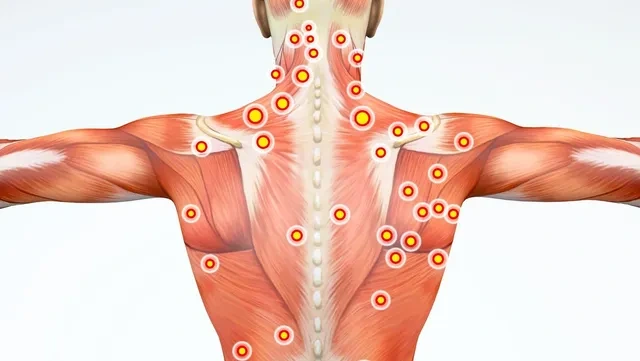
Your shoulder doesn't exist in isolation — it's part of a massive communication network run by your nervous system. If nerves in your neck or upper spine are compressed or irritated (often from poor posture or sitting too long), they can send pain signals that show up in your shoulder.
This is called referred pain, and it's incredibly common. You might feel aching, tingling, or even a burning sensation down your arm — symptoms that can mimic muscle tension but actually stem from nerve irritation.
Common nerve-related causes include:
- Tech neck (looking down at your phone or laptop too much)
- Herniated discs in the neck or upper back
- Tight chest and neck muscles that compress nerve pathways
Sometimes, gentle neck mobility work and posture correction can relieve shoulder pain far more effectively than stretching the shoulder itself.
Fascia: The Overlooked Layer
Beneath your skin and around every muscle lies a thin, stretchy layer of connective tissue called fascia. Fascia helps muscles glide smoothly — but when it becomes tight, sticky, or dehydrated, it can restrict movement and cause deep, stubborn pain.
This type of discomfort is often mistaken for muscle knots, but no amount of basic stretching seems to fix it. Why? Because fascial tightness needs to be released, not just stretched.
Causes of fascial restriction include:
- Repetitive movements (e.g., typing, lifting)
- Poor hydration
- Emotional stress
- Past injuries that never fully healed
Releasing fascial tension through techniques like self-myofascial release, gentle fascia tools, or guided movement therapies can help restore proper glide and reduce chronic shoulder tightness.
Joint and Structural Imbalances
The shoulder is a ball-and-socket joint designed for huge freedom of movement but that mobility comes at a cost: stability.
Small misalignments in your shoulder joint, collarbone (clavicle), or shoulder blade (scapula) can create uneven tension. Over time, your muscles start overcompensating, leading to that familiar deep ache or pinching sensation when lifting your arm.
Common joint-related issues include:
- Shoulder impingement
- Rotator cuff irritation
- Scapular dyskinesis (poor movement control of the shoulder blade)
If one shoulder blade sits higher or moves differently than the other, it can pull the entire system out of balance. Addressing alignment and stability through functional exercises or guided rehab can prevent recurring pain.
When Shoulder Pain Comes from Within
It may sound surprising, but shoulder pain can sometimes signal internal organ stress. Your body's nerves are interconnected, and pain can radiate to the shoulder even when the actual issue is elsewhere.
Here are some examples:
- Right shoulder pain may be linked to liver or gallbladder tension.
- Left shoulder pain can sometimes reflect heart or spleen stress.
- Pain between the shoulder blades is often connected to digestive or diaphragm tension.
Of course, this doesn't mean every shoulder ache points to an organ problem — but chronic or unexplained pain should never be ignored. A holistic approach that looks beyond the muscle can often reveal what your body is truly asking for.
Emotional and Postural Stress
Shoulders are where many people "carry" their stress Literally. When you're anxious, overwhelmed, or under pressure, your body unconsciously tightens your shoulders and neck as a protective reflex. Over time, this tension becomes your new normal, locking your muscles and fascia into a constant state of contraction.
This can lead to symptoms like:
- Constant tightness or heaviness in the shoulders
- Tension headaches
- Fatigue and reduced mobility
Incorporating breathing techniques, gentle movement, and mindful relaxation helps calm the nervous system and release that built-up tension from the inside out.
The Takeaway
If you've been struggling with shoulder pain, don't just assume it's a pulled muscle or gym injury. Your shoulder is deeply connected to your posture, fascia, nervous system, and even emotional state. Real healing often means addressing all of these layers — not just stretching or massaging the sore spot.
So next time you feel that familiar ache creeping in, ask:
- How's my posture been lately?
- Am I breathing deeply or holding tension?
- Could my neck, fascia, or even my stress levels be contributing?
By understanding that shoulder pain isn't just muscular, you open the door to lasting relief — and a body that feels freer, lighter, and more balanced.
Ready to move faster, stronger, and more freely? Contact INPEAK Alderley Edge today to schedule your consultation and take the first step towards optimised sports performance and lasting injury prevention.
Stecco-trained fascial manipulation, Spiral Stabilisation and biomechanics. Practising at Alderley Edge.
Is your pain a mechanical problem?
A full assessment, no obligation, and an honest answer either way.
Book now →