As we move through life, our bodies naturally change — and one of the first places we feel it is in our neck and upper back. For many people over 50, stiffness, aches, and a gradual forward tilt of the head become an everyday reality. But here's the good news: age doesn't have to mean pain. With the right understanding and simple daily habits, you can restore balance, strength, and confidence in your posture.
Why Neck Pain Becomes More Common After 50
As we age, muscle mass and joint flexibility slowly decline. Years of desk work, driving, and even looking down at phones contribute to forward head posture — where the head sits several centimetres in front of the shoulders. This posture puts up to five times more pressure on the neck muscles and joints.
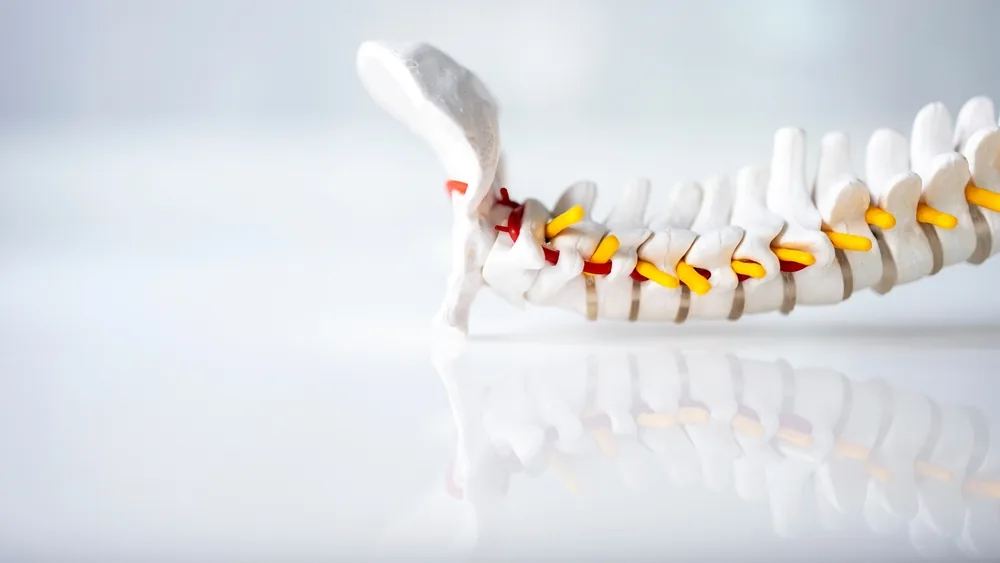
Degenerative changes in the cervical spine (like disc wear or arthritis) can make this worse, but posture plays a massive role in whether these changes cause pain or remain silent.
The Posture–Pain Connection
Poor posture doesn't just affect how you look — it directly impacts how your body feels. When the head drifts forward:
- Neck muscles must constantly "hold" the head up
- Shoulders round and tighten
- Nerves in the neck may become compressed
- Blood flow and oxygen delivery to muscles are reduced
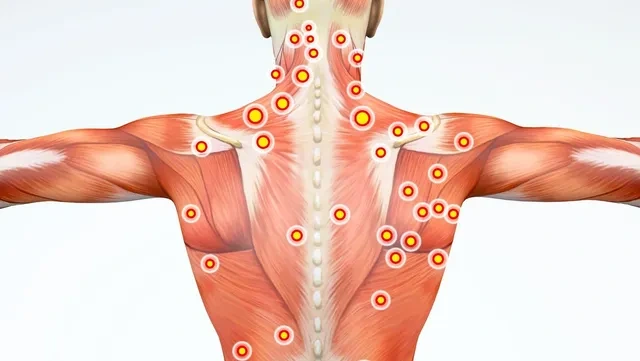
Over time, this creates a cycle of pain, tension, and reduced mobility.
3 Key Steps to Improve Posture and Reduce Neck Pain
1. Rebuild Neck and Upper Back Strength
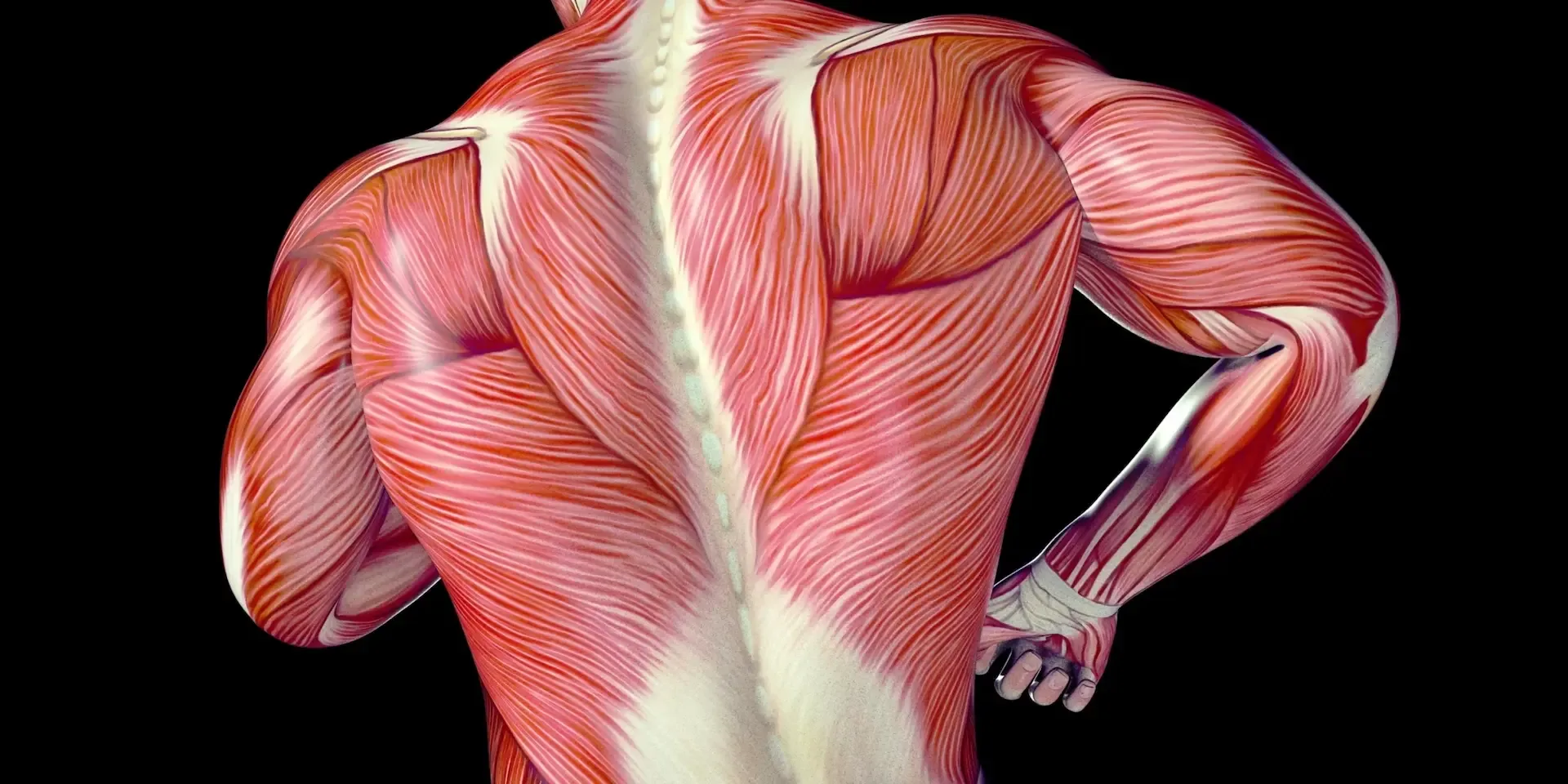
Gentle strength training for the upper back (think rows, wall angels, and chin tucks) helps restore alignment by pulling the shoulders and head back into their natural position.
2. Stretch What's Tight
Target the front of your neck, chest, and shoulders. Simple doorway stretches and neck tilts can release tension that's been building for years.
3. Move Mindfully
Posture isn't about standing up straight all day — it's about moving often and with awareness. Small changes like adjusting your screen height, using a supportive chair, and taking short movement breaks can make a huge difference.
The INPEAK Approach
At InPeak, we understand that long-term posture change takes more than just reminders to "sit up straight." Our self-treatment tools and guided programs are designed to help your body unlearn old tension patterns and build new, pain-free movement habits — safely and effectively.
Takeaway
Neck pain after 50 doesn't have to be a lifelong struggle. By improving posture and strengthening the muscles that support your spine, you can move freely, breathe better, and feel younger — at any age.
Stecco-trained fascial manipulation, Spiral Stabilisation and biomechanics. Practising at Alderley Edge.
Is your pain a mechanical problem?
A full assessment, no obligation, and an honest answer either way.
Book now →