When you think of ageing, you probably picture wrinkles, sagging skin, or fine lines. But one of the most overlooked contributors to visible ageing — especially around the face and neck — is tension. More specifically, neck tension and its deep relationship with your fascia.
The Role of Fascia
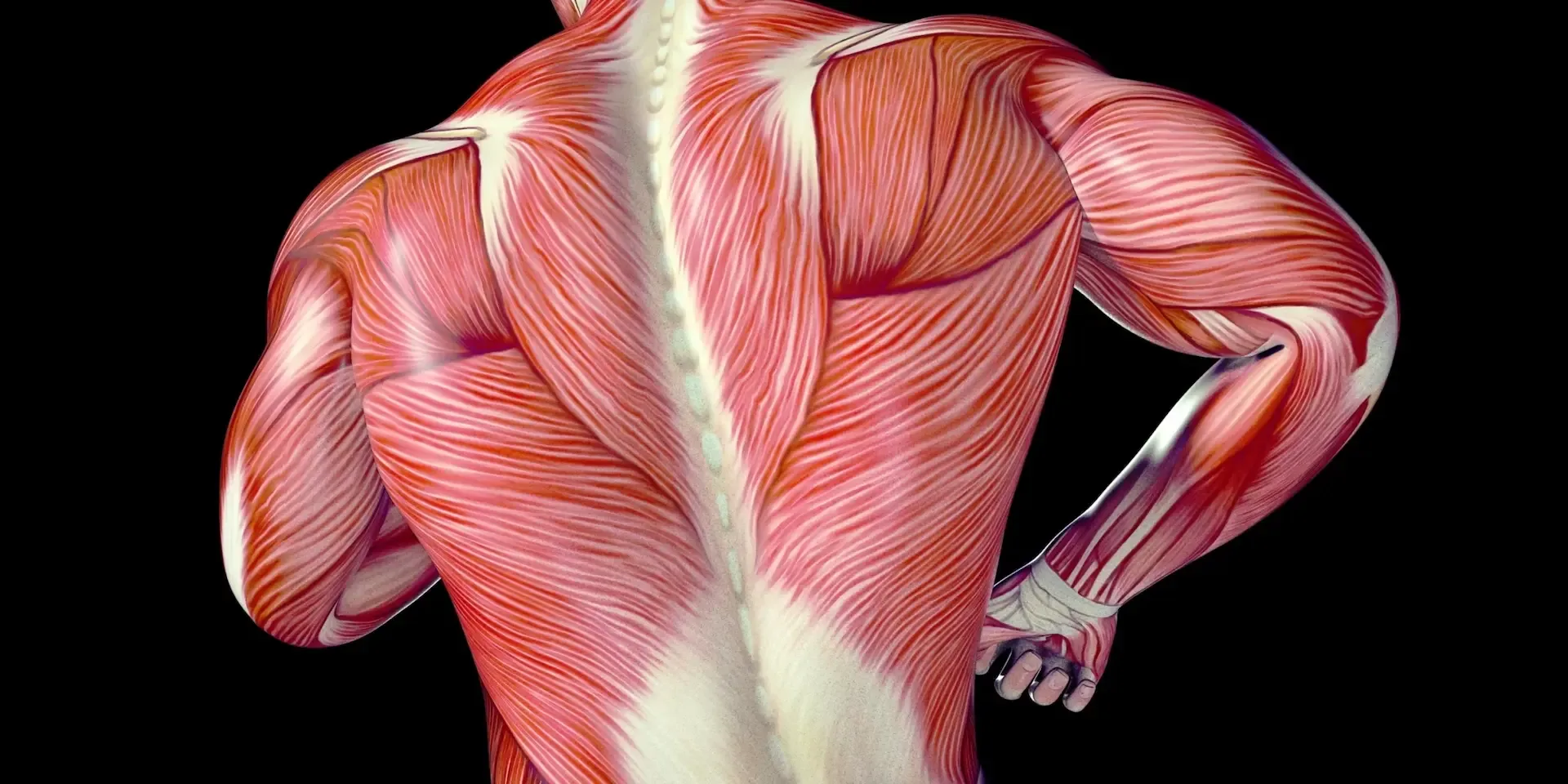
Fascia is the body's internal web — a thin layer of connective tissue that wraps around every muscle, bone, organ, and nerve. Imagine it as a 3D body suit beneath your skin that keeps everything connected and supported.
When fascia is hydrated and supple, it allows smooth movement and healthy blood flow. But when it becomes tight, dehydrated, or stuck, it restricts circulation and movement — leading to stiffness, reduced oxygen flow, and even visible changes in your posture and skin tone.
How Neck Tension Affects Fascia
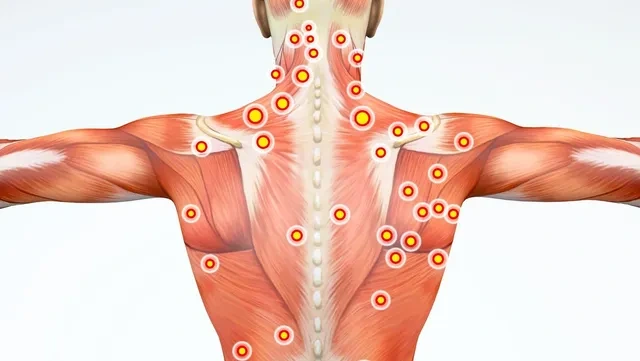
The neck is a key junction in your fascial system. Modern habits — like hours on phones, laptops, and bad posture — cause the fascia here to become dense and shortened. This chronic neck tension pulls on the surrounding tissue and can:
- Restrict lymphatic flow and drainage
- Compress muscles around the jaw and shoulders
- Reduce oxygen supply to the face and scalp
- Contribute to sagging skin and puffiness over time
When fascia in the neck tightens, it doesn't just cause stiffness — it literally changes how you age.
Fascia, Ageing & The "Tension Face"
You might have noticed that some people's faces seem to "drop" or lose vibrancy faster than others. Often, it's not just genetics — it's fascial tension. Tight fascia pulls downward, creating tension lines and uneven tone. Over time, this can make the face appear tired or aged, even if your skincare routine is perfect.
Releasing fascial tension in the neck can actually lift and rejuvenate the face — by restoring balance, movement, and circulation from the ground up.
How to Release Neck Fascia & Restore Youthful Flow
Here are simple yet powerful ways to keep your neck fascia supple and youthful:
1. Daily Neck Release (2–3 minutes)
- Gently massage from the collarbone upward using your fingertips or a fascia tool.
- Move slowly — the goal is to melt, not force.
2. Posture Check
- Align your ears over your shoulders, not forward.
- Every hour, roll your shoulders back and take a slow neck stretch.
3. Hydration & Movement
- Fascia thrives on movement and hydration — drink plenty of water and avoid long periods of stillness.
4. Facial & Neck Fascia Tools
- Tools designed for fascia release (like the InPeak Fascia Hub) can help rehydrate tissue, loosen adhesions, and improve lymphatic flow.
Final Thoughts
Ageing gracefully isn't just about skincare — it's about releasing tension from the inside out by caring for your fascia, especially around the neck, you support not only better posture and comfort but also a naturally lifted, more youthful appearance.
Your fascia tells the story of how you move, feel, and age. Start treating it with care — your future self will thank you.
Ready to move faster, stronger, and more freely? Contact INPEAK Alderley Edge today to schedule your consultation and take the first step towards optimised sports performance and lasting injury prevention.
Stecco-trained fascial manipulation, Spiral Stabilisation and biomechanics. Practising at Alderley Edge.
Is your pain a mechanical problem?
A full assessment, no obligation, and an honest answer either way.
Book now →