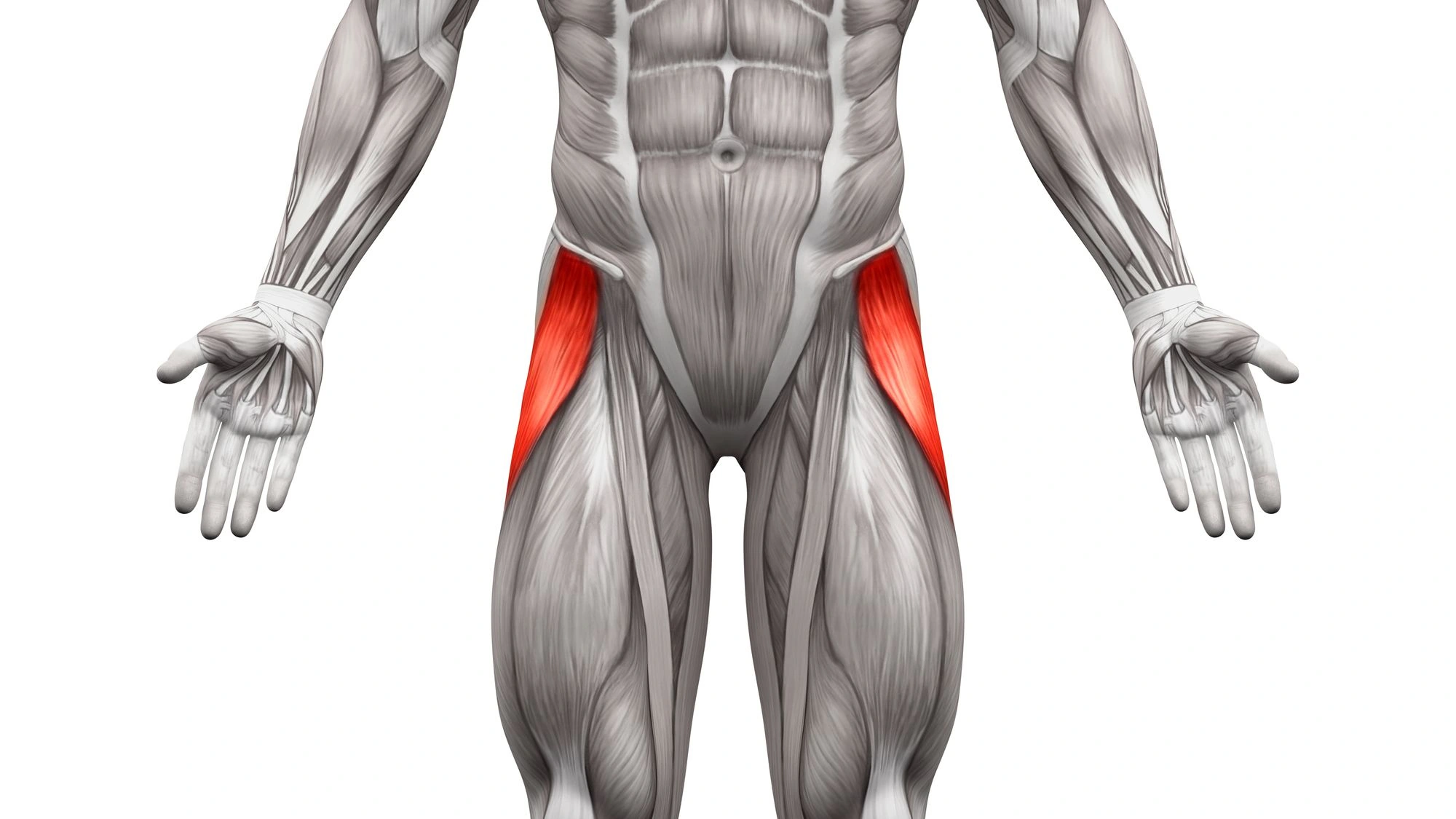
If your hips feel tighter, stiffer, or more restricted as you age, you're not alone. Many active adults over 50 begin to notice that simple movements like walking up the stairs, standing from a chair, or twisting the torso start to feel limited.
Most people assume it's just muscle weakness or "wear and tear," but there's another major factor often ignored: restricted fascia. When fascia loses its flexibility and glide, it can dramatically reduce how freely your hips move, even if your muscles are strong and healthy.
The Hidden Cause of Hip Stiffness
When fascia becomes dense or sticky, the layers of tissue around your hip joint no longer slide smoothly. This causes a constant pulling effect — like wearing jeans that are too tight around your hips.
That restriction builds tension through the entire hip area, including:
- The glutes and hip rotators (making rotation limited)
- The hip flexors (causing stiffness when sitting or walking)
- The lateral fascia chains that connect into the thigh and lower back
This stiffness doesn't just create local tightness — it changes the way your body moves as a whole.
People often begin to walk with shorter steps, shift more weight onto one side, or rotate less through the hips. Over time, these subtle changes can create compensations in the lower back, knees, and even the shoulders.
Why Fascia Becomes Restricted
There are several lifestyle and physical reasons fascia loses elasticity and glide:
- Sedentary habits – Long hours of sitting reduce circulation and cause the fascia around the hips to dehydrate and stiffen.
- Repetitive movement patterns – Walking, running, or training the same way for years can make fascia adapt in one direction, reducing balanced movement.
- Injury and scarring – Old injuries or surgeries cause local fascia thickening that pulls on nearby areas.
- Age-related dehydration – As we age, fascia naturally loses hydration and elasticity unless it's actively maintained.
- Stress and tension – Chronic muscular tension can harden fascia over time, especially in areas that hold emotional or postural stress like the hips.
These factors combine to create layers of restriction that can't be fixed through stretching alone. That's why so many people feel like their muscles are always tight, no matter how much they stretch.
Releasing Fascia to Restore Hip Freedom
To truly restore hip movement, the goal isn't just stretching muscles — it's improving the quality and elasticity of fascia itself. Here's how to begin:
- Gentle, rhythmic movement – Slow, repeated movements (like fascia-focused flows) stimulate hydration and glide between tissue layers. These aren't about intensity — they're about control and connection.
- Targeted self-release – Using a tennis ball or soft roller can help free up thickened fascia in specific areas, such as the outer hip, glutes, and front of the thigh. The goal is to apply gentle pressure, not force.
- Hydration & recovery – Fascia needs water to remain elastic. Staying hydrated and getting regular rest helps it recover and maintain flexibility.
- Fascia-based training – InPeak's fascia-focused training method uses long, dynamic movements that recondition the fascia to move and respond like it did years ago. Clients often notice increased hip rotation, smoother walking patterns, and a noticeable reduction in stiffness after consistent sessions.
- Consistency – Unlike a quick stretch, fascia work takes repetition. Each session builds better glide and hydration through the tissues — meaning the more consistent you are, the freer your hips will feel.
The Bigger Picture
When fascia is restricted, it doesn't just limit how far your hips move — it limits how well your body communicates. Fascia connects the hips to the spine, knees, and even shoulders, so improving fascia quality often leads to better overall mobility, posture, and comfort in daily life.
Many people who once struggled to tie their shoes or walk comfortably discover that after addressing fascia restrictions, their movement feels lighter, smoother, and more natural again.
Hip stiffness after 50 isn't just about "getting older", it's about how your fascia has adapted over time. When fascia loses its flexibility, it holds your hips back from moving the way they were designed to.
The good news? With fascia-focused movement and guided release, you can retrain your body to move freely again.
Ready to move faster, stronger, and more freely? Contact INPEAK Alderley Edge today to schedule your consultation and take the first step towards optimised sports performance and lasting injury prevention.
Stecco-trained fascial manipulation, Spiral Stabilisation and biomechanics. Practising at Alderley Edge.
Is your pain a mechanical problem?
A full assessment, no obligation, and an honest answer either way.
Book now →