IBS OFTEN APPEARS 'OUT OF NOWHERE'
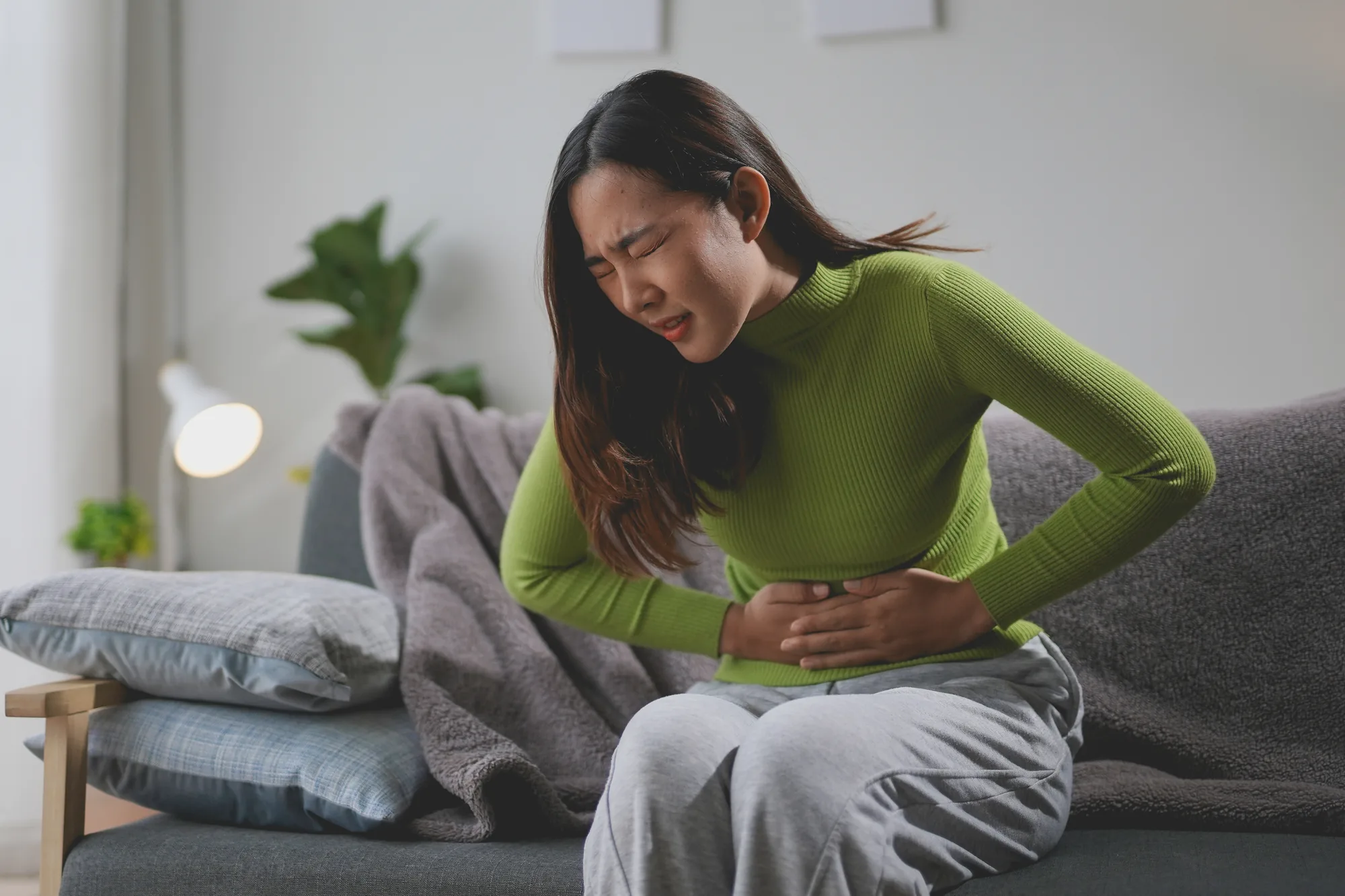
Many people develop bloating, abdominal pain, altered bowel habits or digestive discomfort and are told it's food-related — even though their diet hasn't changed.
This leads to confusion and frustration. But IBS rarely starts suddenly for no reason.
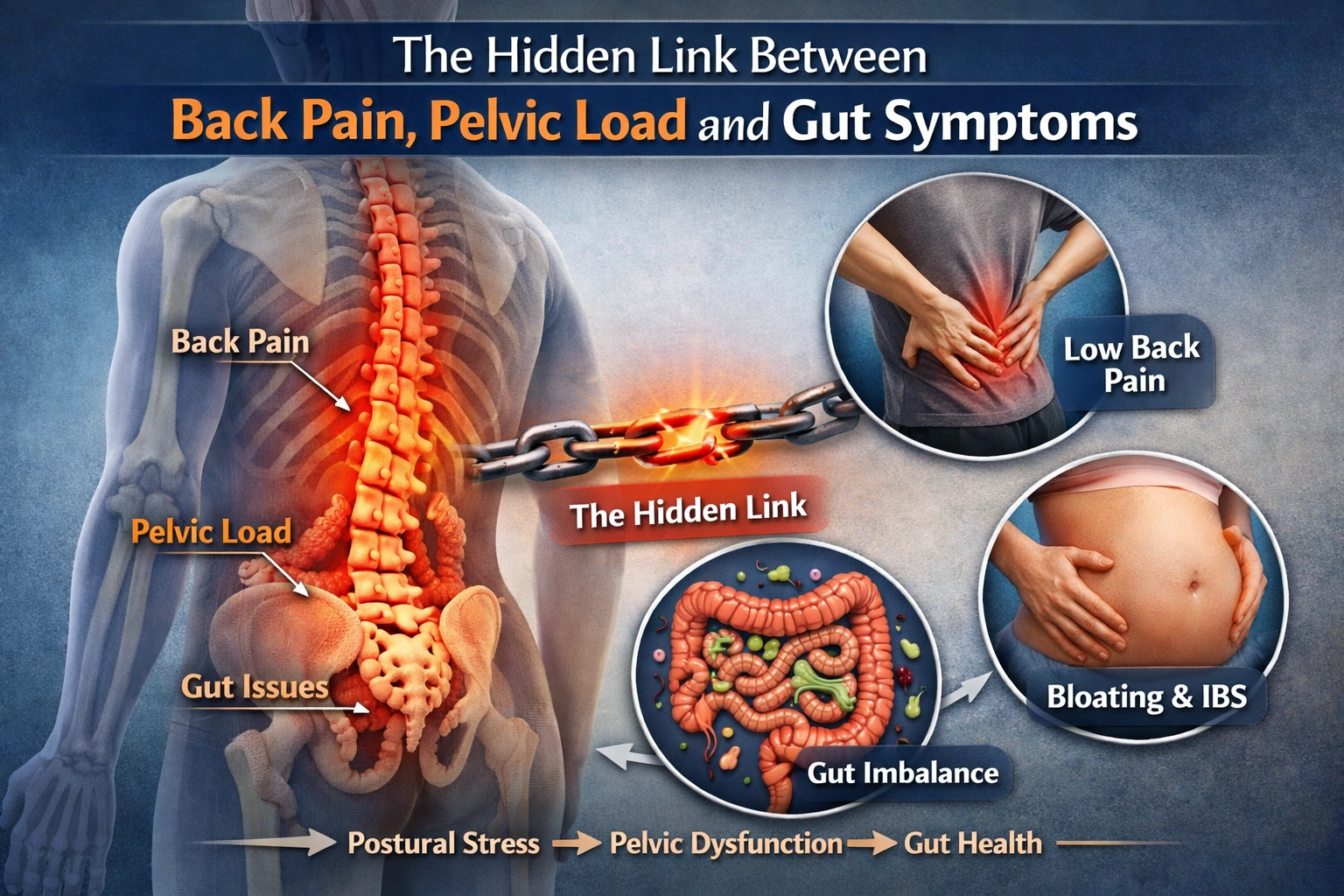
What usually changes is how the body is managing load, pressure and tension through the fascial system.
IBS IS NOT JUST A DIGESTIVE PROBLEM
IBS is often treated as a purely gut-based issue. In reality, digestion is strongly influenced by:
- The nervous system
- Mechanical pressure
- Fascia within the trunk and pelvis
When these systems are under strain, gut sensitivity increases — even if food intake stays the same.
WHY SYMPTOMS CAN APPEAR SUDDENLY
Although symptoms may start abruptly, the underlying changes are usually gradual.
Common triggers include:
- A period of high stress
- Illness or infection
- A flare-up of back or hip pain
- A change in training or activity
- Prolonged sitting or bracing
These factors increase tension through the trunk and pelvis. The gut simply becomes the area where symptoms surface.
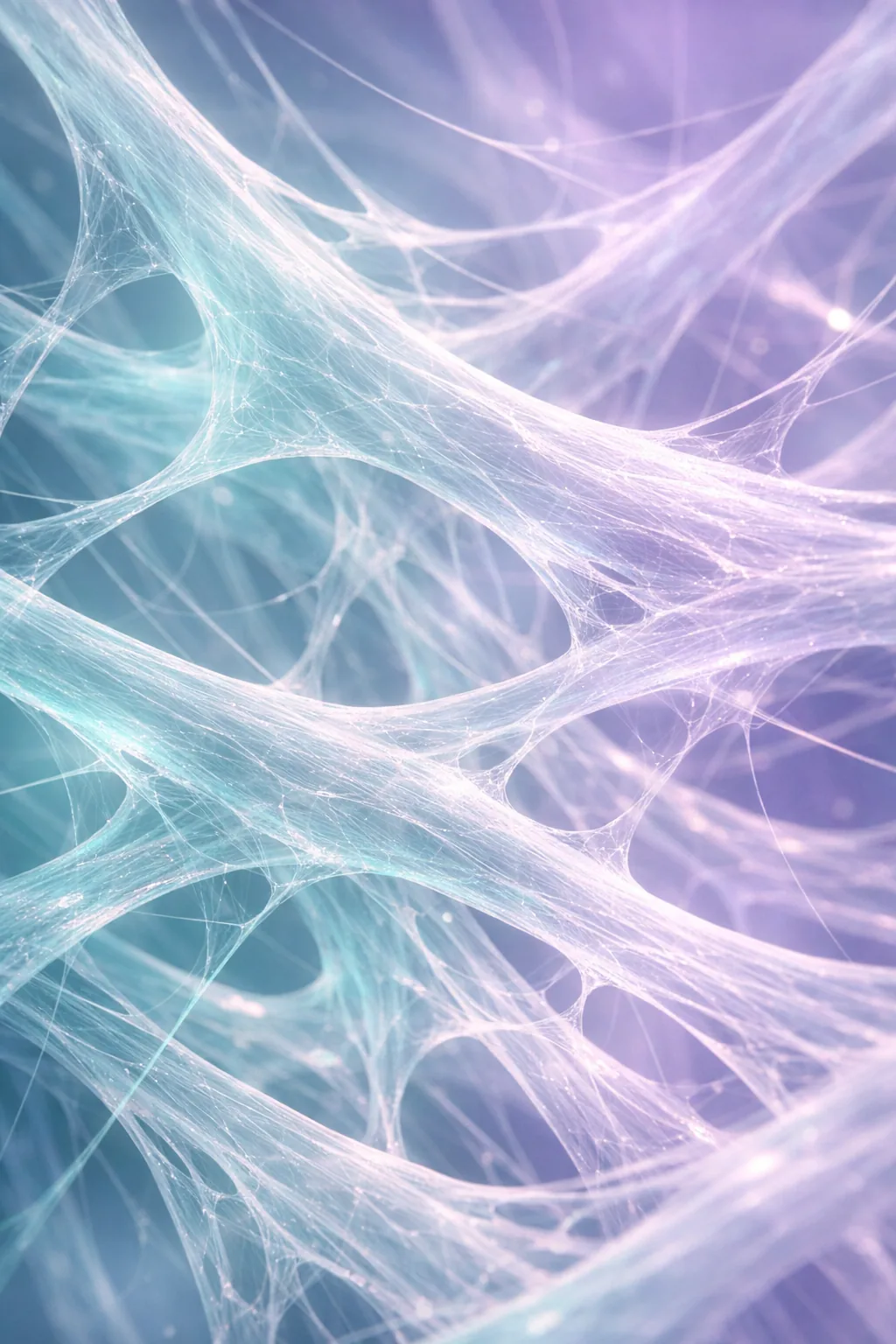
HOW FASCIA INFLUENCES DIGESTIVE SYMPTOMS
Visceral fascia supports and suspends the digestive organs. It blends with:
- The diaphragm
- The abdominal wall
- The pelvic floor
- The lumbar spine fascia
When this system becomes restricted:
- Pressure regulation changes
- Organ mobility is reduced
- Neural sensitivity increases
This creates the classic IBS pattern of pain, bloating and urgency.
WHY FOOD GETS BLAMED — BUT IS RARELY THE CAUSE
Symptoms often worsen after meals. So food is blamed.
But food usually acts as a stressor, not the driver.
Restricted fascia and poor load management lower the gut's tolerance.
Eating simply exposes the problem that already exists.
This is why eliminating foods often helps temporarily — but symptoms return.
WHY SCANS AND TESTS OFTEN COME BACK 'NORMAL'
Most tests are designed to rule out disease. They don't assess:
- Fascial tension
- Pressure management
- Mechanical load through the trunk
So people are told: "There's nothing structurally wrong."
Which is true — but incomplete.
WHY IBS OFTEN COEXISTS WITH BACK, HIP OR PELVIC PAIN
Because the same system is involved.
When load is not distributed well through the trunk and pelvis:
- The spine becomes irritated
- The gut becomes sensitive
- Pelvic structures are placed under tension
These symptoms frequently rise and fall together.
WHAT ACTUALLY STOPS IBS FROM FLARING REPEATEDLY
Lasting change requires:
- Restoring fascial elasticity through the trunk and pelvis
- Normalising pressure through the diaphragm and abdominal wall
- Rebalancing pelvic and spinal load
- Then supporting digestion and nutrition appropriately
When the mechanical drivers are addressed, the gut becomes far less reactive.
IBS rarely starts because of food alone.
It usually appears when the body can no longer adapt to mechanical and fascial strain — even if your diet hasn't changed.
Understanding whether this applies to you usually starts with a full trunk and pelvic fascia-led assessment, rather than focusing on diet alone.
Think this could help you? Message us to arrange a free assessment — no commitment needed.
Stecco-trained fascial manipulation, Spiral Stabilisation and biomechanics. Practising at Alderley Edge.
Is your gut a mechanical problem?
A full assessment, no obligation, and an honest answer either way.
Book now →