BACK PAIN AND GUT SYMPTOMS ARE OFTEN TREATED AS SEPARATE PROBLEMS
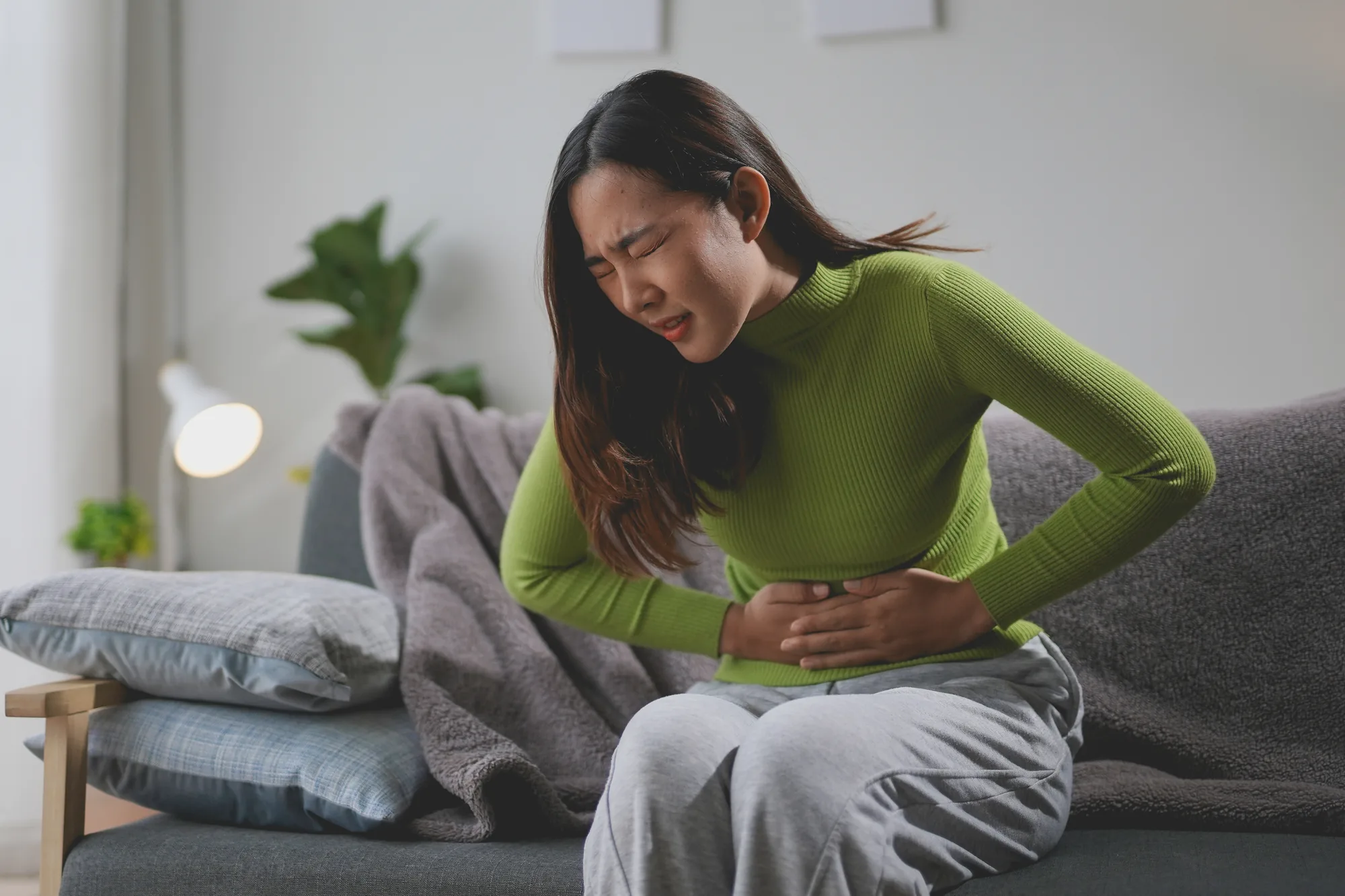
One is sent to physio. The other is sent down a digestive or dietary route.
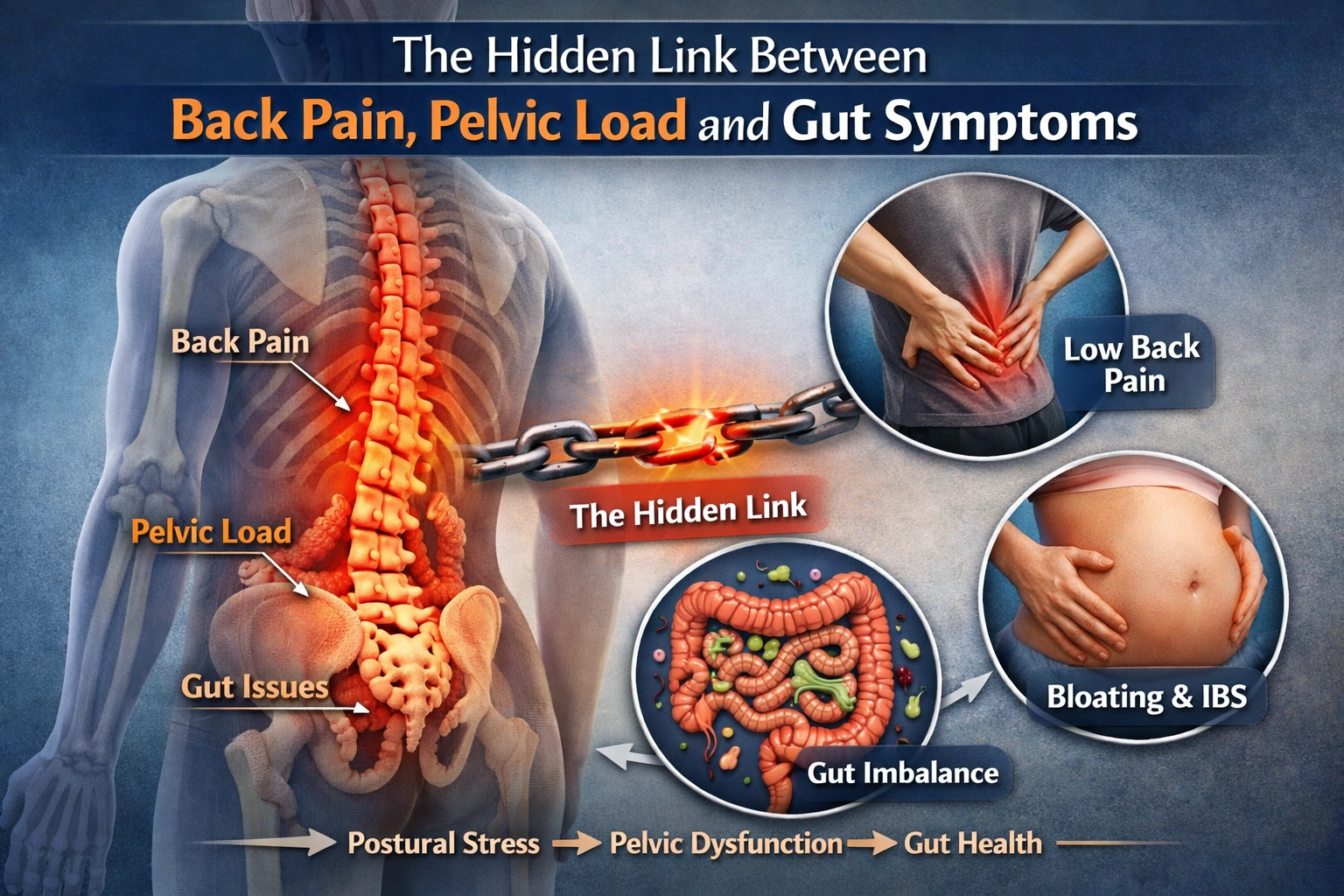
In reality, these symptoms frequently share the same mechanical driver — how load is moving through the trunk, pelvis and fascia.
At INPEAK, it is very common to see people with long-standing back pain who also experience bloating, IBS-type symptoms, or digestive discomfort.
THE TRUNK AND PELVIS ARE A SHARED LOAD SYSTEM
The trunk and pelvis act as the central hub for:
- Movement
- Breathing
- Digestion
- Force transfer between upper and lower body
Fascia links the spine, diaphragm, abdominal wall, pelvic floor and visceral organs into one continuous system.
When this system moves well, everything functions smoothly. When it doesn't, multiple symptoms can appear at once.
HOW FASCIA CONNECTS THE BACK AND THE GUT
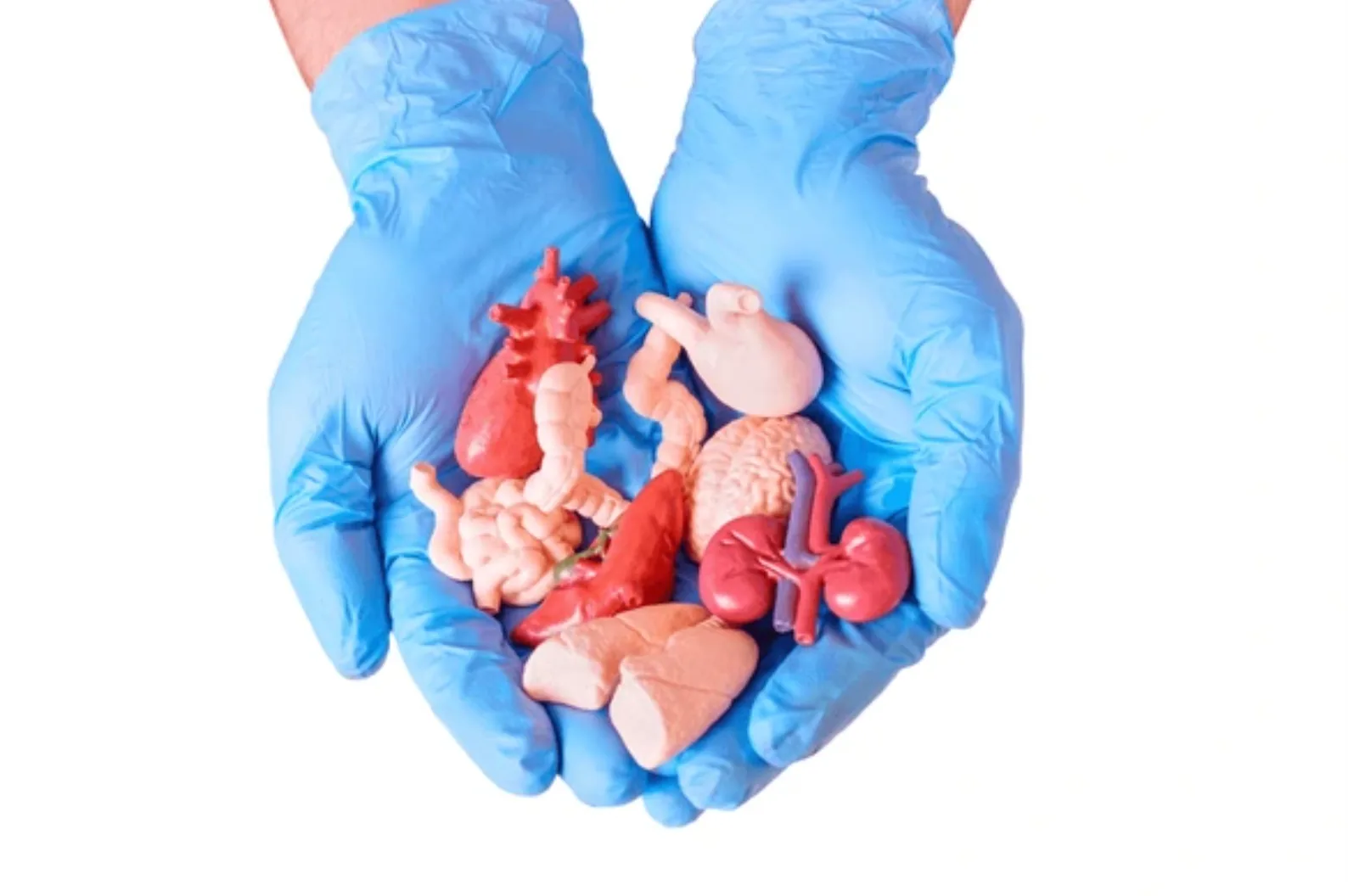
Visceral fascia surrounds and supports the digestive organs. It blends seamlessly with:
- The diaphragm
- The abdominal wall
- The pelvic fascia
- The lumbar spine fascia
Restriction anywhere in this network alters:
- Pressure management
- Load transfer
- Neural sensitivity
Back pain and gut symptoms can develop together as a result.
WHY PELVIC LOAD MATTERS SO MUCH
The pelvis is not just a base for the spine. It is a major force distributor.
When pelvic load becomes asymmetrical:
- One side of the trunk stiffens
- The lumbar spine absorbs more stress
- Abdominal and visceral tissues are placed under tension
This creates irritation both mechanically and neurologically.
HOW OLD INJURIES AND POSTURE FEED THE PROBLEM
Common contributors include:
- Previous lower back injuries
- Hip or groin problems
- Abdominal surgery
- Long periods of sitting
- Chronic bracing of the abdomen
These factors stiffen the fascial system and reduce its ability to adapt.
The body compensates until it no longer can.
WHY FOOD OFTEN GETS BLAMED FIRST
Digestive symptoms are most noticeable after eating. So food is often assumed to be the cause.
In many cases, food is the trigger — not the driver.
Restricted fascia and poor load management increase gut sensitivity. Eating simply exposes the underlying issue.
WHY TREATING ONLY THE GUT OR THE BACK DOESN'T WORK
Treating the back alone:
- Reduces symptoms temporarily
- Leaves visceral restriction unchanged
Treating the gut alone:
- Calms digestion
- Leaves mechanical drivers untouched
Both approaches miss the shared system.
WHAT ACTUALLY RESOLVES BOTH SETS OF SYMPTOMS
Lasting improvement comes from:
- Restoring fascial elasticity through the trunk and pelvis
- Rebalancing pelvic and spinal load
- Normalizing pressure through the diaphragm and abdominal wall
- Then reintroducing movement and strength
When the system is addressed as a whole, both back pain and gut symptoms often improve together.
Back pain and gut symptoms are rarely coincidence.
They are often different expressions of the same fascial and load-transfer problem.
Understanding whether this applies to you usually starts with a full trunk and pelvic fascia-led assessment, rather than focusing on diet alone.
Stecco-trained fascial manipulation, Spiral Stabilisation and biomechanics. Practising at Alderley Edge.
Is your gut a mechanical problem?
A full assessment, no obligation, and an honest answer either way.
Book now →