
FOOD IS USUALLY THE FIRST THING PEOPLE BLAME FOR IBS
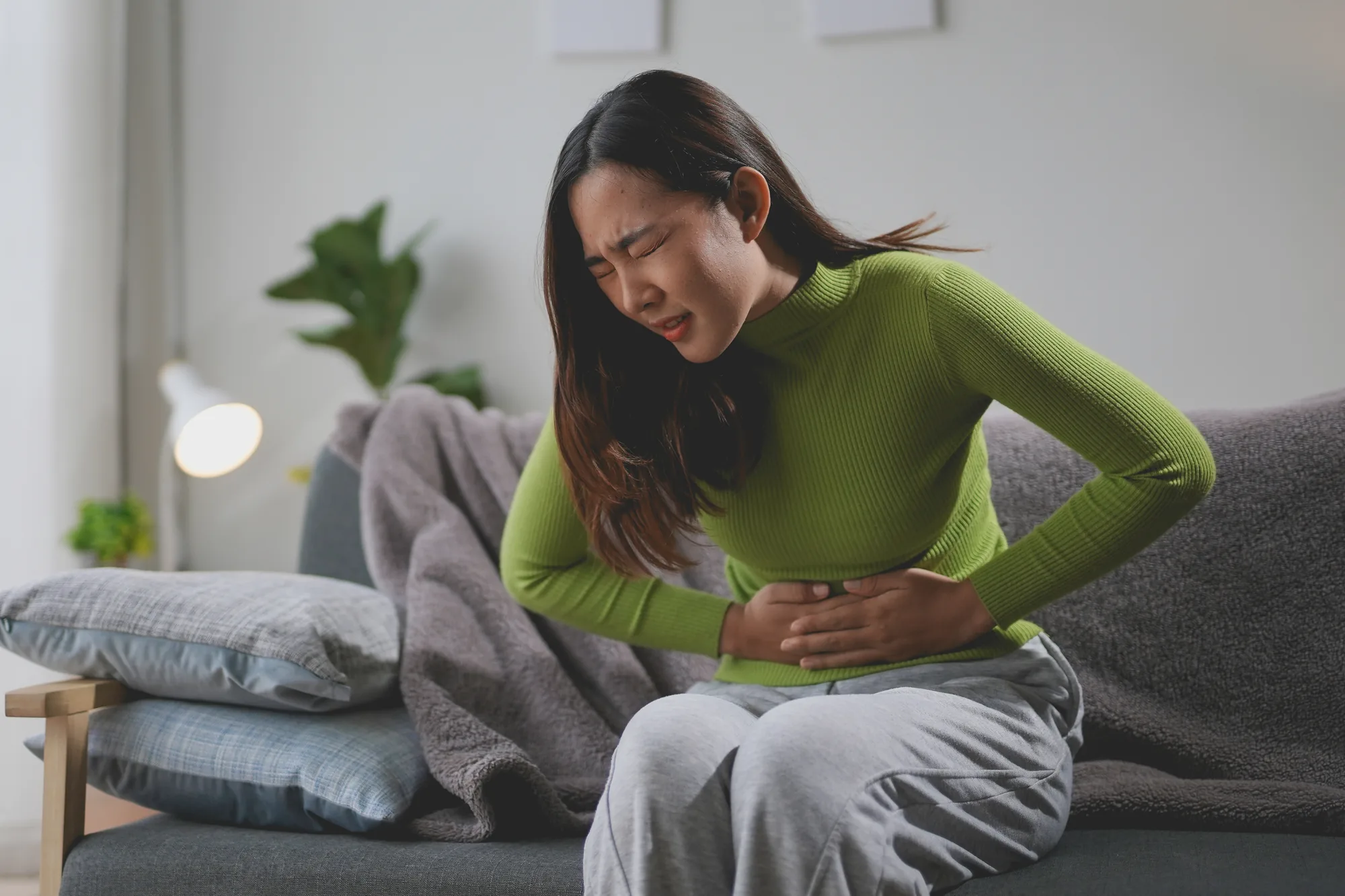
When symptoms flare after eating — bloating, pain, urgency, altered bowel habits — it feels logical to assume food is the cause.
But in most long-standing IBS cases, food is not the root problem. It is the trigger that exposes an already sensitised system.
WHY FOOD APPEARS TO BE THE CAUSE
Eating places demand on the digestive system. It increases:
- Abdominal pressure
- Organ movement
- Neural signaling
- Blood flow to the gut
If the gut is already under mechanical or fascial strain, symptoms appear quickly after meals. Food didn't create the problem. It revealed it.
WHY ELIMINATING FOODS OFTEN HELPS — TEMPORARILY
Removing foods reduces stimulation. Symptoms often settle.
But the underlying drivers remain:
- Fascial restriction
- Poor pressure management
- Altered load through the trunk and pelvis
This is why many people cycle through:
- Elimination diets
- Low FODMAP phases
- Temporary relief
- Symptom relapse
The system was never corrected.
THE ROLE OF FASCIA IN DIGESTIVE TOLERANCE
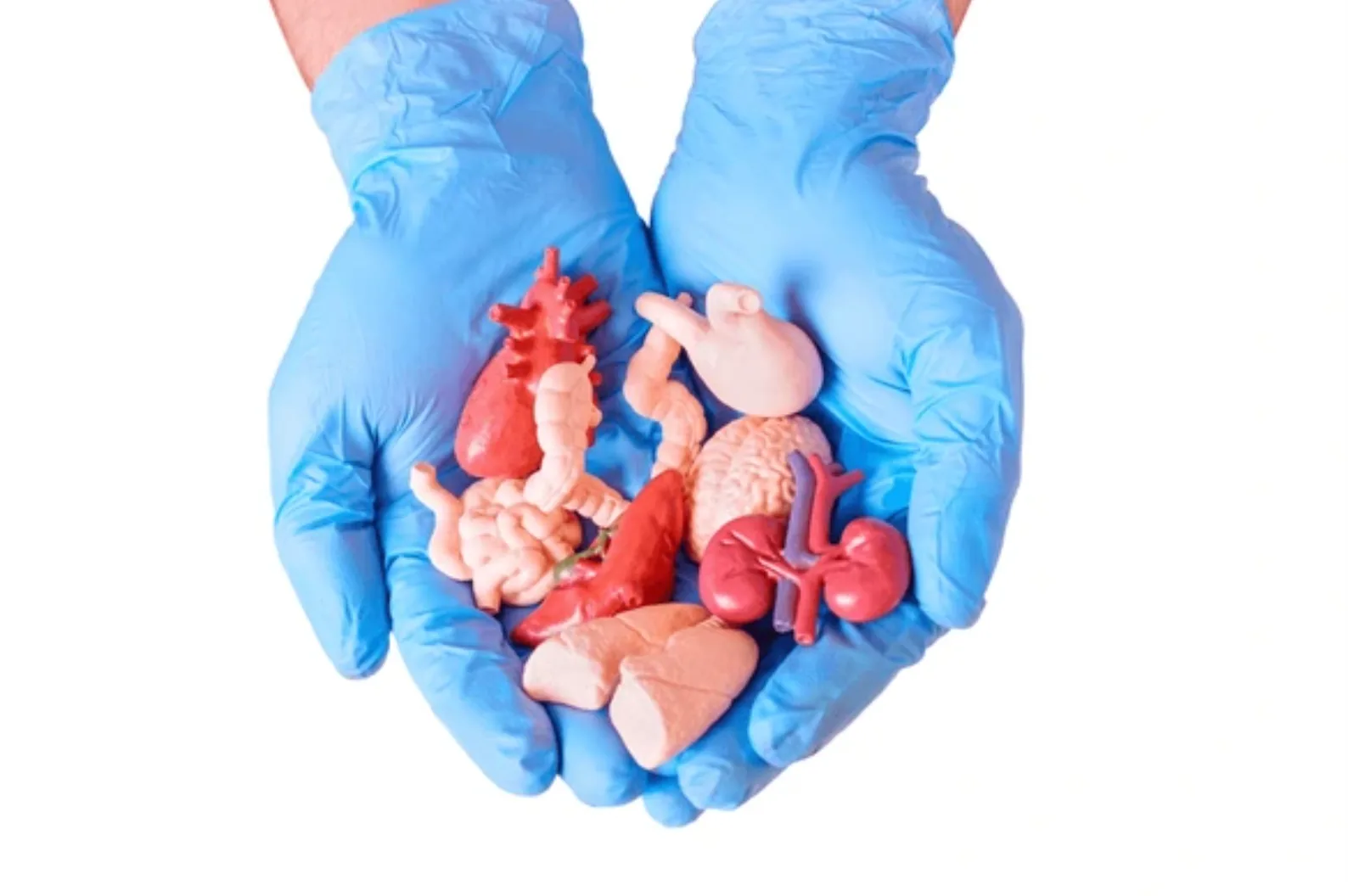
Visceral fascia suspends and supports the digestive organs. It must be elastic to allow normal movement during digestion.
When fascia becomes restricted:
- Organs move less freely
- Pressure rises more quickly
- Nerve endings become sensitized
Tolerance drops. Symptoms increase.
WHY STRESS AND POSTURE WORSEN FOOD REACTIONS
Stress, prolonged sitting, and chronic bracing:
- Increase fascial tension
- Reduce diaphragmatic movement
- Alter abdominal pressure
This makes the gut far more reactive to food — even foods that were previously tolerated well. The issue is mechanical sensitivity, not intolerance.
WHY TESTS OFTEN SHOW 'NOTHING WRONG'
Most digestive tests rule out disease.
They do not assess:
- Fascial stiffness
- Pressure distribution
- Load transfer through the trunk
So results come back normal while symptoms persist. This is common in IBS.
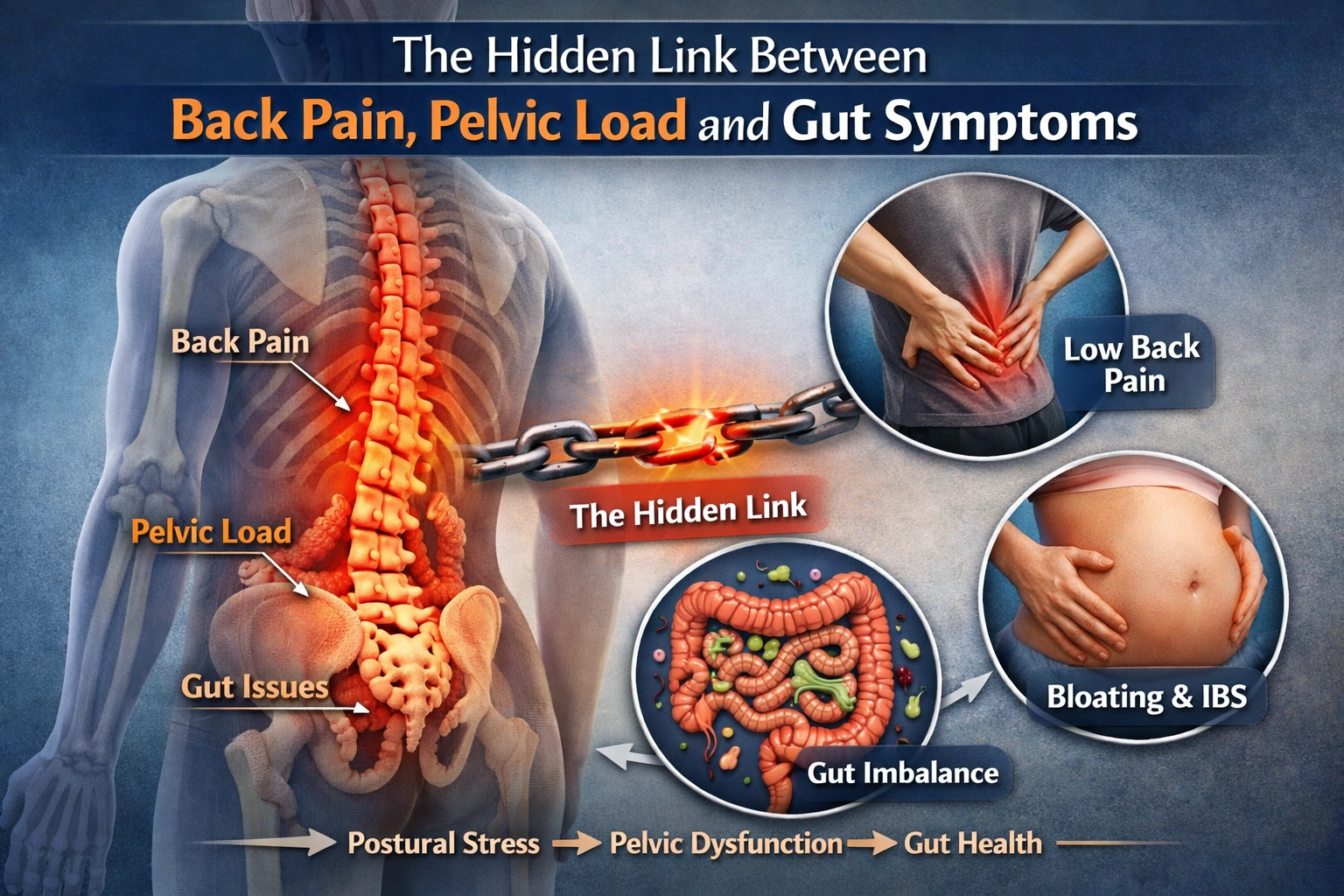
WHY IBS OFTEN COEXISTS WITH BACK OR PELVIC PAIN
The same fascial system influences:
- The spine
- The pelvis
- The digestive organs
Restricted load transfer affects all of them. This is why IBS often appears alongside back pain, hip pain or pelvic discomfort.
WHAT ACTUALLY IMPROVES FOOD TOLERANCE LONG TERM
Lasting improvement comes from:
- Restoring fascial elasticity
- Normalizing trunk and pelvic load
- Improving pressure management through the diaphragm
- Then supporting digestion and nutrition
As the system becomes less sensitized, food tolerance improves naturally.
Food commonly triggers IBS symptoms. But fascia and load determine how reactive the gut becomes. Until the mechanical drivers are addressed, diet alone cannot resolve IBS.
Understanding whether this applies to you usually starts with a full trunk and pelvic fascia-led assessment, rather than focusing on diet alone.
Think this could help you? Message us to arrange a free assessment — no commitment needed.
Stecco-trained fascial manipulation, Spiral Stabilisation and biomechanics. Practising at Alderley Edge.
Is your gut a mechanical problem?
A full assessment, no obligation, and an honest answer either way.
Book now →