Dysmenorrhea — commonly called painful periods—affects millions worldwide. It can interfere with daily life, causing cramping, pelvic pressure, lower back pain, bloating, and digestive issues. At INPEAK, we use fascial manipulation therapy to address the deeper, often-overlooked causes of menstrual pain.
Understanding Fascia and Menstrual Pain
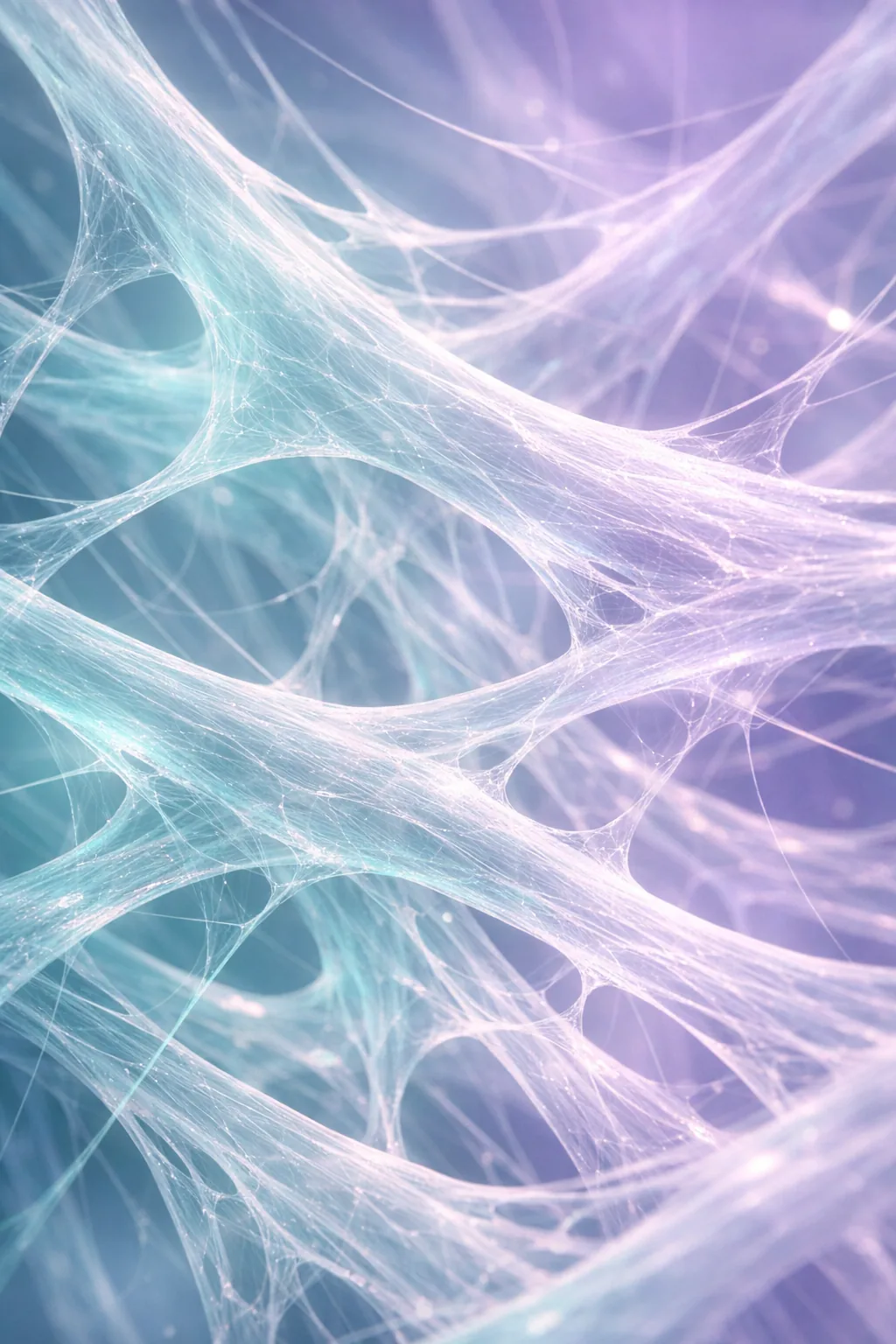
Fascia is a continuous web of connective tissue that surrounds muscles, bones, nerves, blood vessels, and organs. This network allows your body to move efficiently by letting structures glide smoothly against each other.
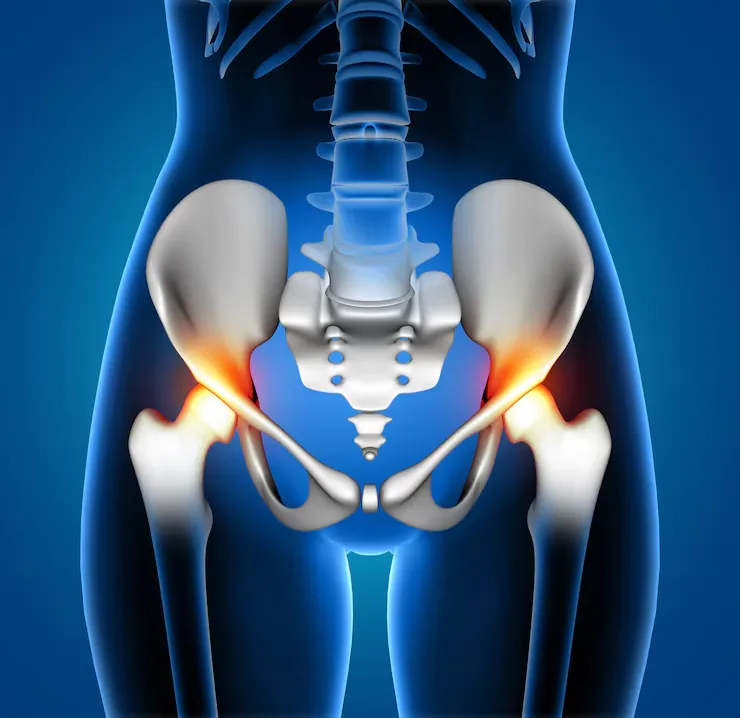
When fascia becomes tight, densified, or restricted—due to injury, inflammation, or repetitive strain—it can compress surrounding nerves and blood vessels. This tension is especially significant in the lower abdomen, pelvis, and lower back, where fascial restrictions can intensify cramping and limit circulation during menstruation.
Common Causes of Pelvic Fascial Restriction
You might be surprised to learn that many non-gynaecological issues can cause pelvic fascial tension, making menstrual cramps worse. These include:
- Previous gastrointestinal issues (IBS, bloating, stomach infections)
- Recurring bladder or urinary tract infections
- Abdominal or pelvic surgeries and scarring
- Postural imbalances and chronic lower back issues
- Old musculoskeletal injuries (ankle sprains, hip injuries, falls)
These factors can accumulate over time, creating hidden fascial tension that intensifies during your menstrual cycle.
How Fascial Therapy Helps Dysmenorrhea
At INPEAK, we provide a comprehensive fascia and movement assessment to identify whether fascial restriction is contributing to your period pain. Our approach focuses on:
- Fascial lines running through the abdomen, lower spine, hips, and thighs
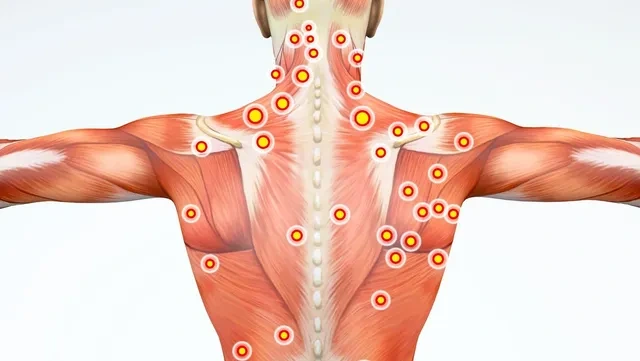
- Tension points referring pressure to the pelvic organs
- Areas where fascial glide and hydration have been lost
Using precise, hands-on fascial manipulation, we release densified tissue, restore fascial mobility, and relieve compression around pelvic organs. This approach helps reduce inflammation, improve circulation, and calm the nervous system—leading to less pain and better menstrual comfort.
What to Expect During Treatment
Our process typically involves:
- Initial sessions (1–2 appointments) focusing on fascial release across key lines
- A waiting period until your next menstrual cycle to track changes
- Follow-up assessment to evaluate progress and plan further treatment if needed
Many clients notice:
- Less cramping during their next period
- Reduced pelvic pressure
- Improved comfort and mobility in the lower abdomen
Why Fascial Manipulation Works for Menstrual Pain
Fascia is both structural and sensory. It contains a high density of nerve endings and responds to pressure, stress, and hormonal fluctuations. By improving fascial health, we can:
- Enhance blood flow and lymphatic drainage
- Reduce pressure on pelvic nerves
- Improve organ mobility
- Release muscular guarding and tension
Take Control of Your Menstrual Health
If you suffer from painful periods and haven't found relief with conventional treatments, fascia may be the missing link. At INPEAK, our tailored fascial assessment and treatment approach uncovers and addresses the deeper causes of menstrual discomfort—often with fast, lasting results.
Book your initial consultation today and discover how fascial manipulation could help you experience more comfortable, balanced cycles.
Ready to move faster, stronger, and more freely? Contact INPEAK Alderley Edge today to schedule your consultation and take the first step towards optimised sports performance and lasting injury prevention.
Stecco-trained fascial manipulation, Spiral Stabilisation and biomechanics. Practising at Alderley Edge.
Has anyone assessed you mechanically?
A full assessment, no obligation, and an honest answer either way.
Book now →