Symptoms exist. Tests show nothing.
This is the grey zone, and it is most of what we see. Below is where people usually start. What they have in common is a history of treatment aimed at the place that hurts. Choose any condition for the mechanism we look for instead.
Hover to preview · click to hold
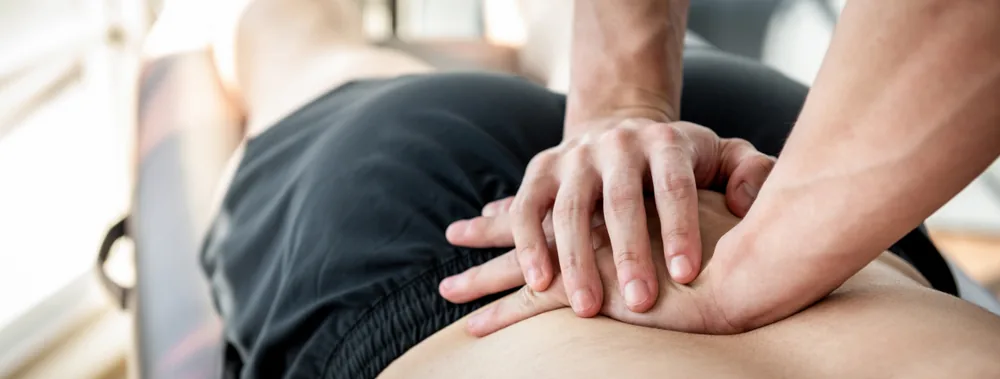
A pelvis that has stopped sharing load. One side takes the work, the lumbar spine absorbs the difference, and the tissue that complains is rarely the tissue at fault.
Clear imaging, several rounds of treatment, temporary relief, and a return after any heavy week. Often told it is wear and tear.
Screen gait, breath and hip rotation before treating the lumbar spine. Fascia release, then spiral stabilisation to hold the correction.
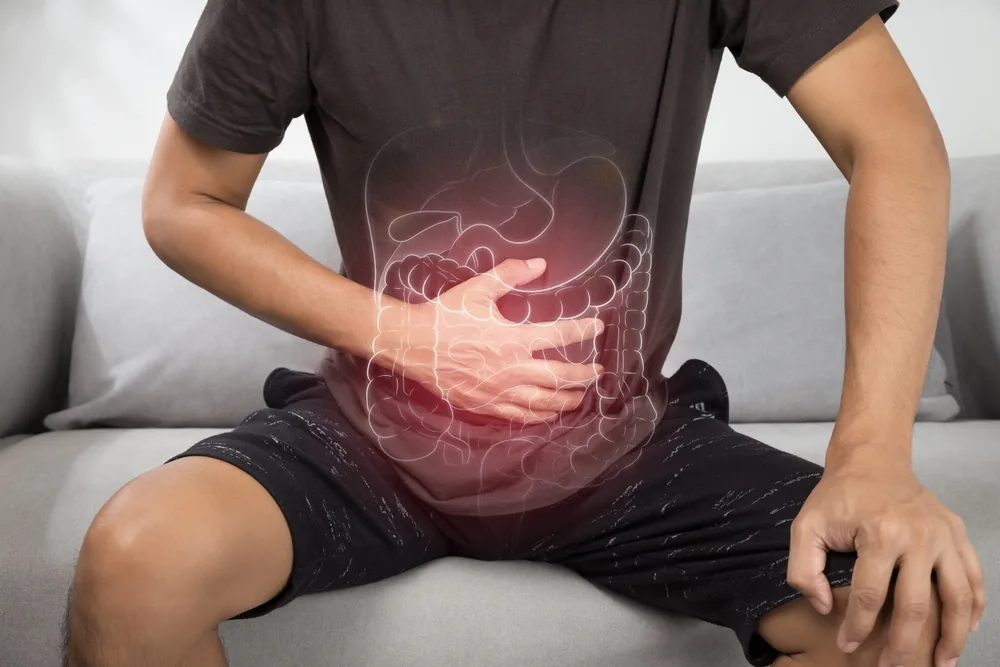
The peritoneum suspends the digestive organs. Where trunk and pelvic fascia is restricted, peristalsis and mechanical digestion can be affected — regardless of what you eat.
Symptoms that started suddenly without a diet change. Elimination diets and probiotics tried. Often a history of surgery, scoliosis or old rib or wrist injuries.
A full trunk and pelvic fascia-led assessment, then visceral fascial work where indicated. Read the IBS approach →
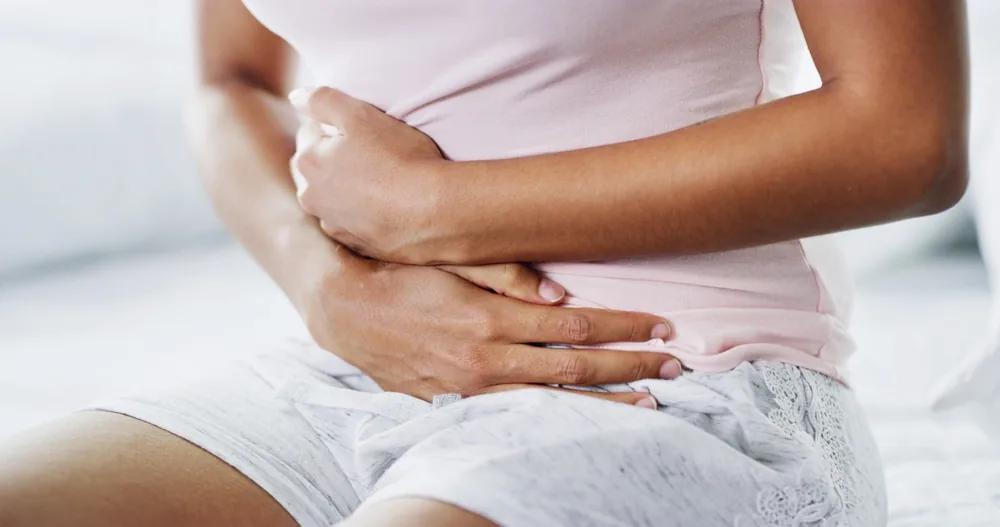
Fascial restriction through the abdomen, pelvis and lower back may contribute to dysmenorrhoea by limiting the movement and blood flow the region needs each cycle.
Pain managed with medication for years, investigations clear, and no mechanical assessment ever offered. Often alongside low back pain or bloating.
Assess the trunk and pelvis as one unit and treat restriction with consent-led pelvic and abdominal technique. "It's been an absolute transformation." — Claire
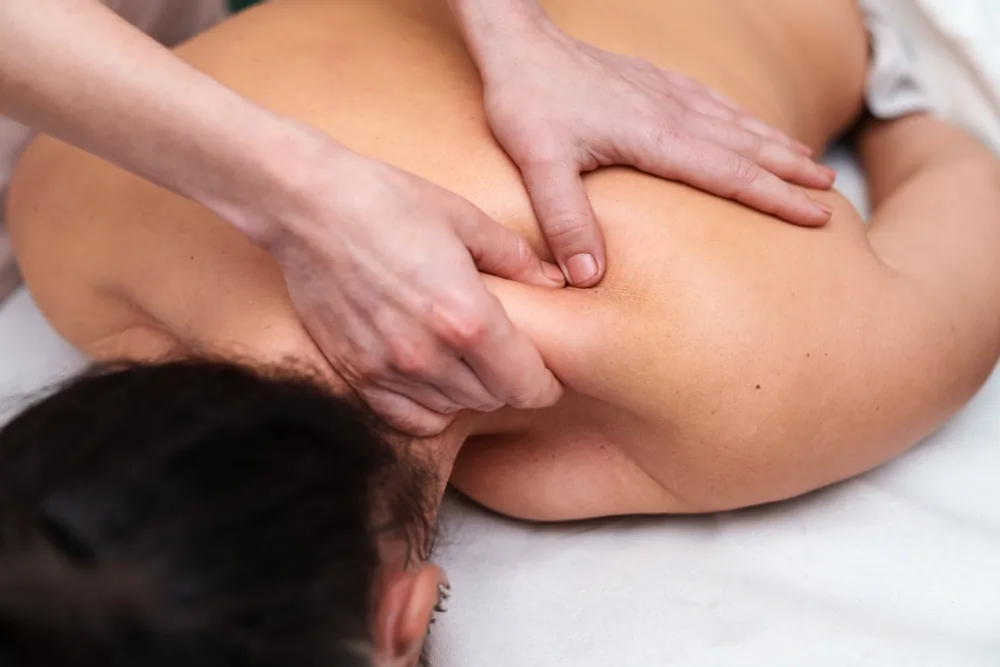
The deep front line runs from jaw to diaphragm. Cervical tension is frequently a breathing pattern in disguise, held there by an overworked accessory chain.
Shoulders that creep up at a desk, jaw clicking, a mouthguard that hasn't fixed it, and stiffness that always comes back by mid-afternoon.
Restore rib and diaphragm mechanics first, then treat the cervical and masseter tissue that no longer has to compensate.
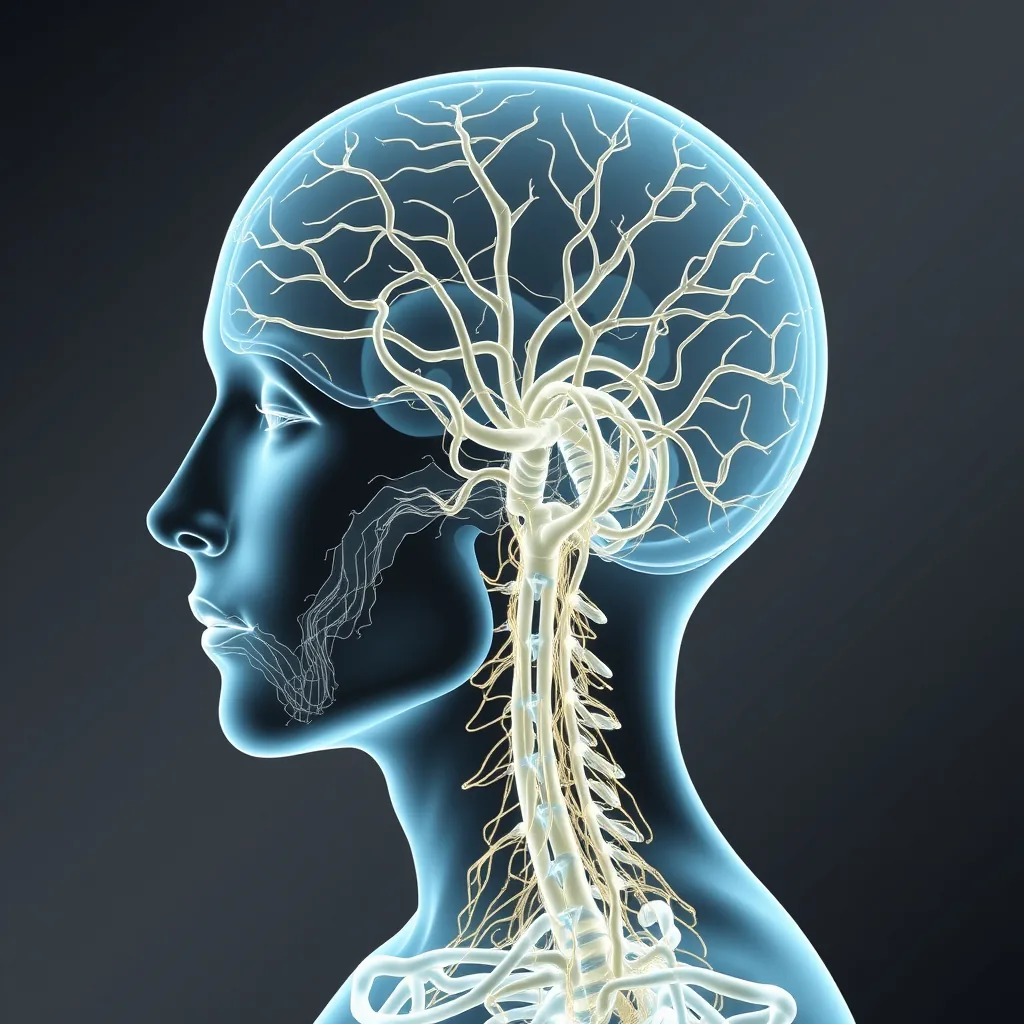
Restriction through the upper back, neck and cranial fascia can load the structures that refer pain into the head. Frequently paired with clenching and shallow breathing.
A predictable weekly pattern, medication that manages rather than resolves, and no structural cause found on investigation.
Treat the chain from diaphragm to jaw, and address the loading pattern that keeps rebuilding it. New, severe or changing headaches are referred for medical assessment first.
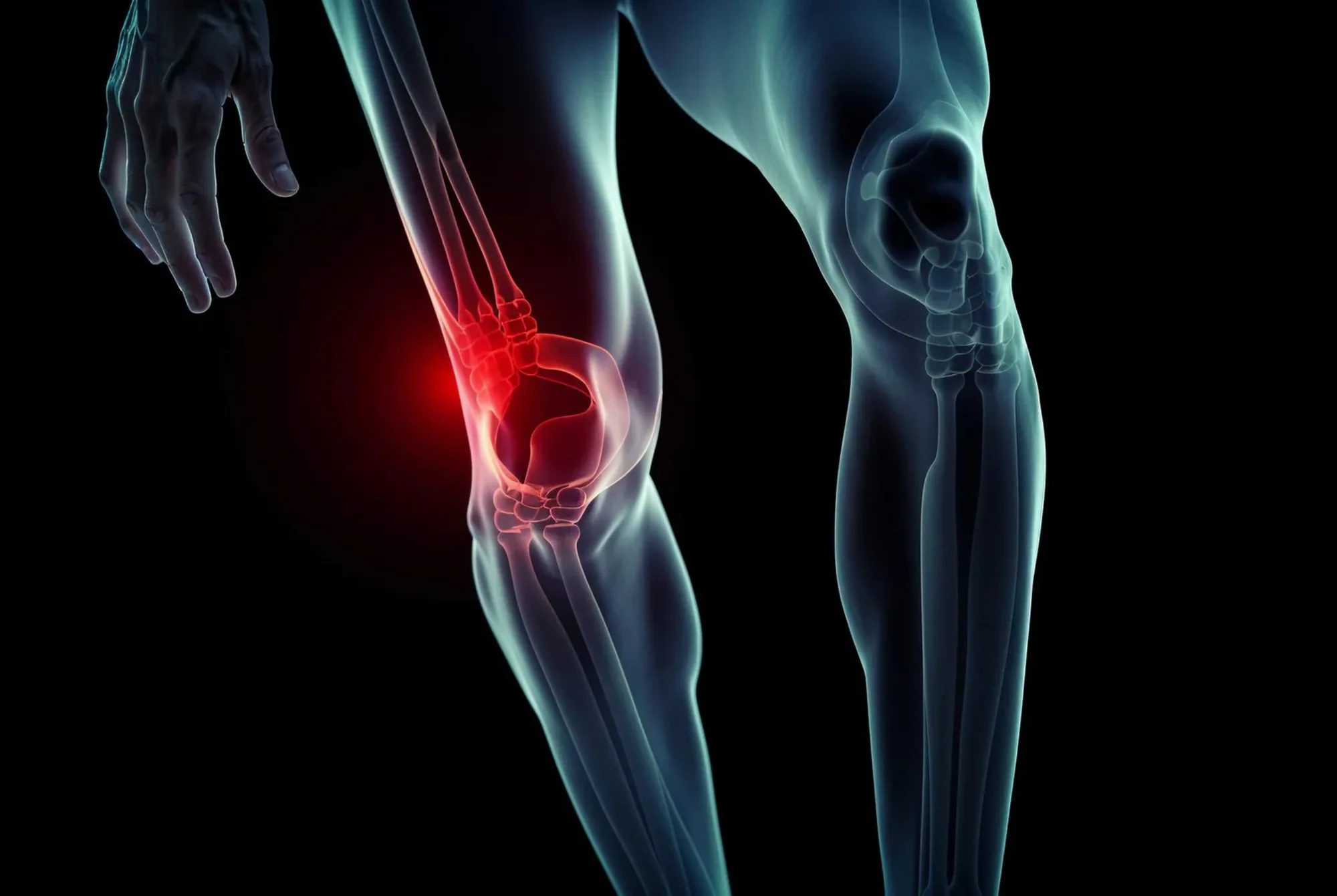
A knee that gives way is often reporting a problem generated at the hip or the foot. Scar tissue then reorganises the pull of everything around it.
Surgery went well, rehab was completed, and full range or confidence never returned. Or surgery is booked and you want the tissue in the best state beforehand.
Release the surrounding network rather than forcing the scar, then reload progressively. Coordinated with your surgeon or consultant where relevant.
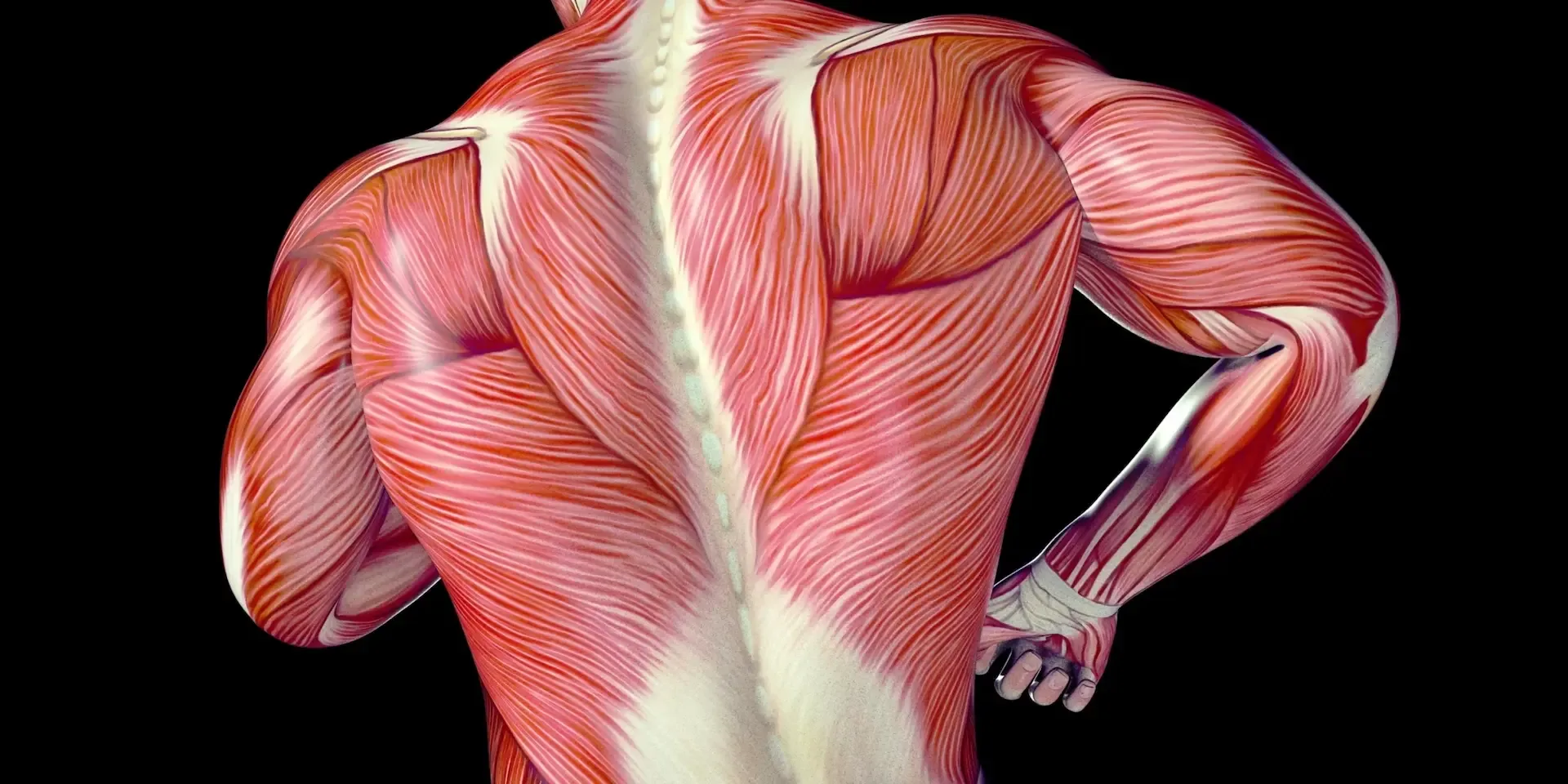
A disc bulge on a scan is common and often silent. What decides whether it hurts is how load is distributed around it — and how much the surrounding fascia can still adapt.
A scan result that explained the pain, treatment aimed at the segment, and symptoms that migrate as activity changes.
Redistribute load through the trunk and hips, then decompress with spiral stabilisation. Progressive neurological signs are referred urgently, not treated.
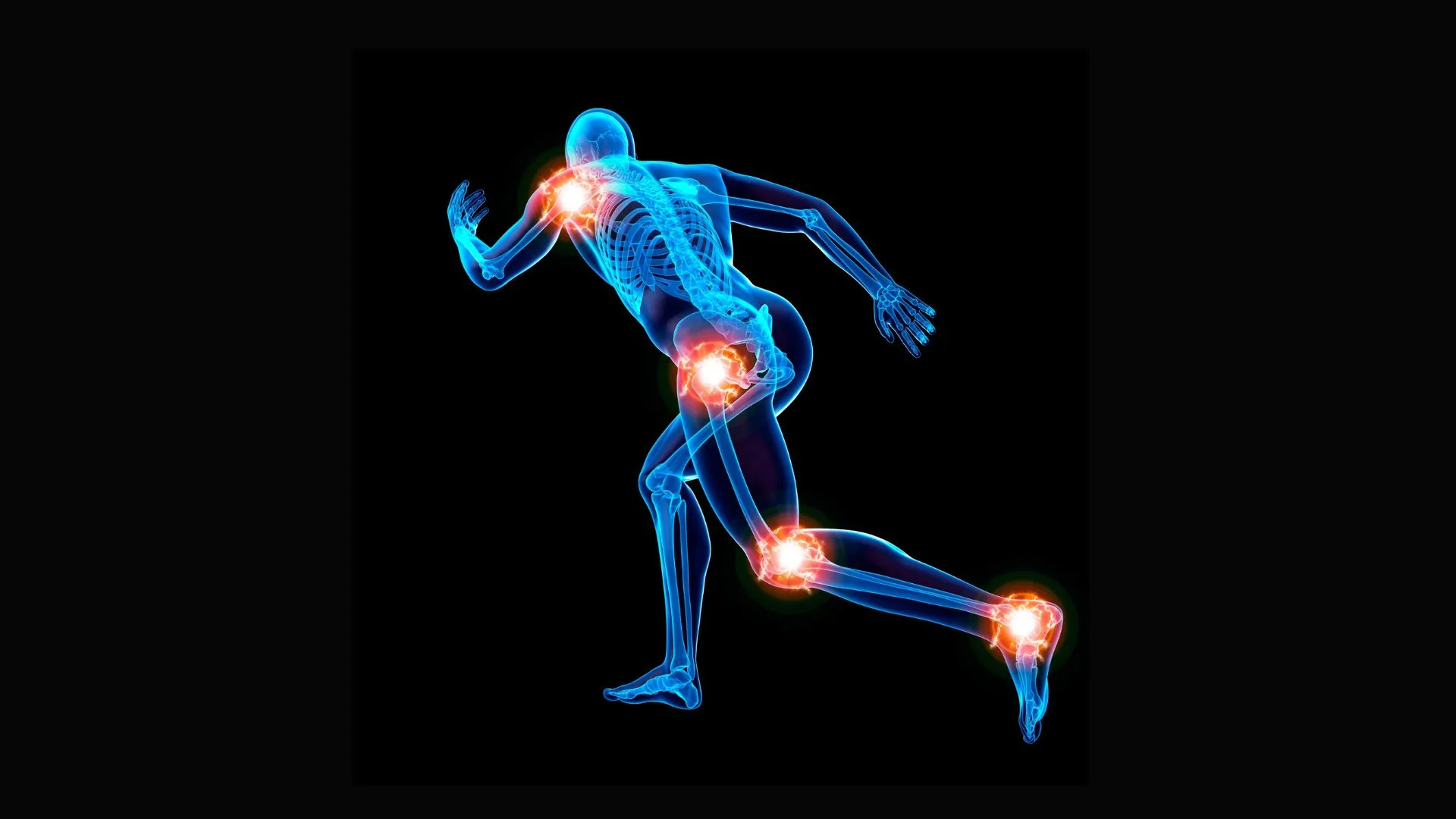
Output is capped by the least efficient link in the chain. Adding volume to a leaking system produces fatigue, not adaptation — and eventually the same strain again.
Cleared to return, re-injured within weeks of full intensity. Or training is consistent, numbers have stalled, and one side always feels different.
Map asymmetry under load, clear the restriction, rebuild the sequence at speed — and give your coach a specific target rather than a vague note.
Fascia therapy supports, but does not replace, medical diagnosis or care. Suspected fracture, infection, cardiac symptoms or progressive neurological signs are referred to medical care the same day. Left-sided shoulder or arm pain with breathlessness needs urgent medical attention, not treatment.
Not on the list?
The consultation is free, and it will tell us whether we can genuinely help. We only take on clients when we believe we can make a real difference.