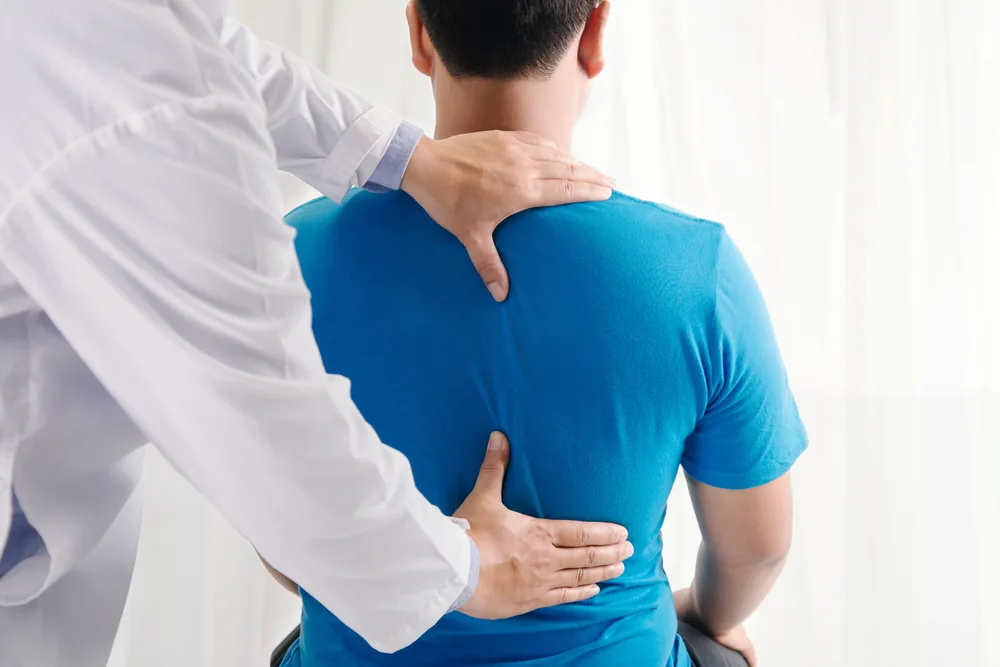
Modern healthcare excels at acute intervention. But what about the people living in limbo — where blood tests are normal, scans show nothing, and the symptoms persist anyway?
Most health systems treat problems in isolation. You are sent to one specialist for pain, another for digestion, another for stress. But the body doesn't work in parts — it works in unison, and fascia is the tissue that connects those parts into one system.
So INPEAK was built around finding the connection before treating the symptom. It merges advanced biomechanics with fascia science, elite conditioning methods from Sweden, soft tissue expertise from Italy, and current thinking on sleep, nutrition and recovery. It makes the first appointment longer and the total number of appointments smaller. That trade is deliberate.
Stecco Fascial Manipulation
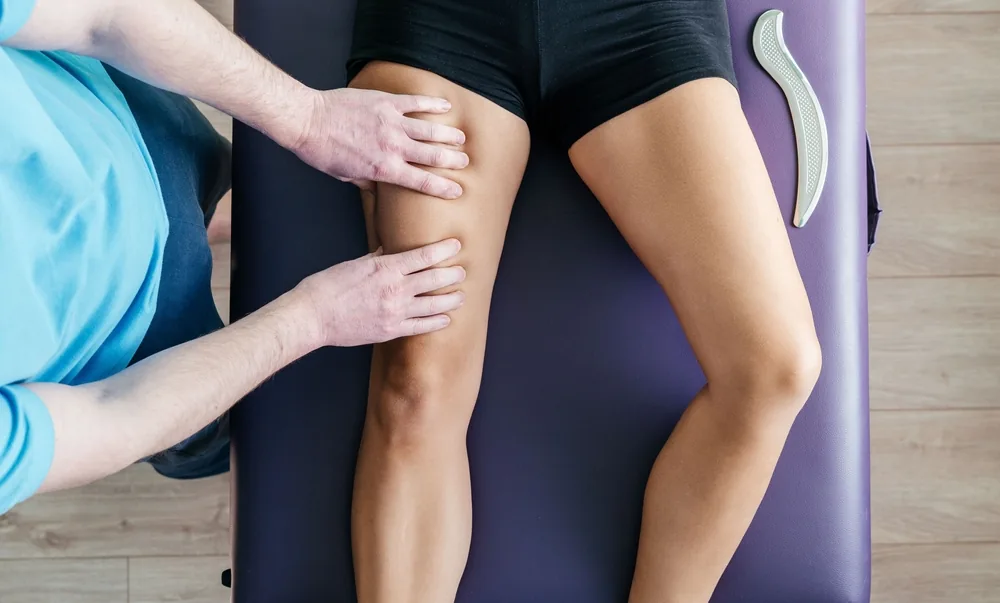
The manual method developed by Luigi Stecco, underpinned by the anatomical research of Carla Stecco, MD. Treatment is point-specific and mapped from assessment.
FMID
Fascial Manipulation for Internal Dysfunction — the branch of the method that addresses digestive, pelvic and visceral symptoms rather than musculoskeletal pain alone.
Spiral Stabilisation
A conditioning system using resistance bands to train the spiral muscle chains that decompress the spine — how a correction learns to hold under load.
Biomechanical assessment
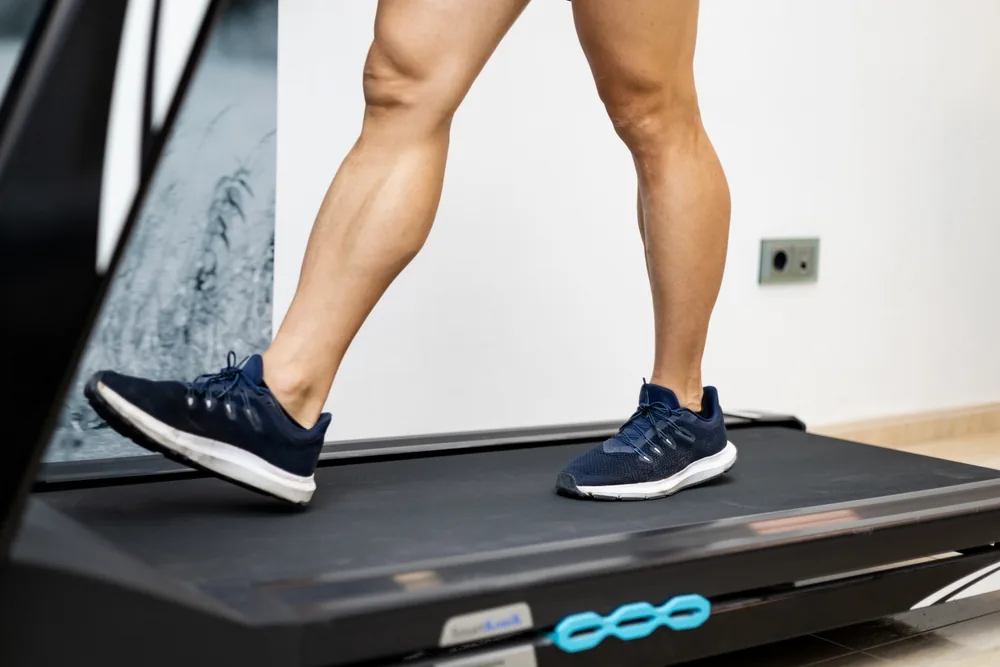
The protocol that ties them together: gait, range, breath and load transfer measured before anything is treated, and re-measured to prove the change.



These are the only fields on the site we have deliberately left blank. Credentials should never be paraphrased — send the exact wording and they go straight in.
Every plan starts with a screen. If we cannot show the change, we do not claim it.
Clients describe this as the difference. You should be able to explain your own mechanism to someone else by the time you leave.
We only take on clients when we genuinely believe we can make a real difference — and we refer on when we can't.
This is not a replacement for medical diagnosis or hospital care. Where appropriate you keep working with your GP or consultant.