
A woman following a training session at home
Open study · free to join · 8 weeks at home

Treat it yourself. We will measure whether it works.

We are running a self-treatment study in two streams: IBS and bloating, and period pain. You get a guided eight-week programme of video sessions you do at home, free. We collect simple outcome measures so that the next person gets a better answer than "try cutting out gluten".

8Weeks
12minA day
£0To take part
01 — Why we are running it Honest about what we do not know

The mechanism is reasonably well described. The clinical evidence for self-applied fascia work is thin, small and short. Rather than claim more than we can support, we are collecting the data — with you, in your own home, for free.

What you get

A complimentary consultation
A fascia release tool, by post
Guided video you follow at home
Optional live sessions — £15 each

[ to confirm ] · study protocol

This page is a proposal for how the study could be presented. The clinic's current pages state no duration, no participant numbers, no eligibility criteria and no results timeline, so the specifics on this page — the eight weeks, the twelve minutes a day, the scoring points, the video counts and the exclusion criteria — are the designer’s, not INPEAK’s. Every one of them needs confirming before this goes live. The playlists, the phone number and the pricing are real.

02 — Choose your stream Everything below adapts to your choice
Your stream

IBS & digestive stream

Eight weeks of trunk, diaphragm and abdominal-wall work, scored with the IBS Severity Scoring System at week 0, 4 and 8, plus a two-week symptom diary before you start.

You are a good fit if
  • Symptoms for six months or more
  • Investigated already, nothing structural found
  • Abdominal surgery, injury or scoliosis in your history
This is not for you if
  • You have red-flag symptoms — bleeding, unexplained weight loss, a new change in bowel habit over fifty
  • You are pregnant, or under eighteen
  • You have an undiagnosed acute abdominal or pelvic pain
03 — How taking part works Five steps · roughly ten weeks end to end

01 · Apply

Two minutes. Stream, history and the dates that matter — surgery, injury, when symptoms started.

02 · Screening call

Fifteen minutes by phone. We check eligibility and rule out anything that belongs with your GP first.

03 · Consent & baseline

Information sheet, written consent, then a two-week diary before any treatment begins.

04 · Eight weeks of video

Twelve minutes a day, four playlists, one session page at a time. Weekly check-in by email.

05 · Outcome & summary

Repeat scores, a written summary of your own results, and a route into clinic if you want one.
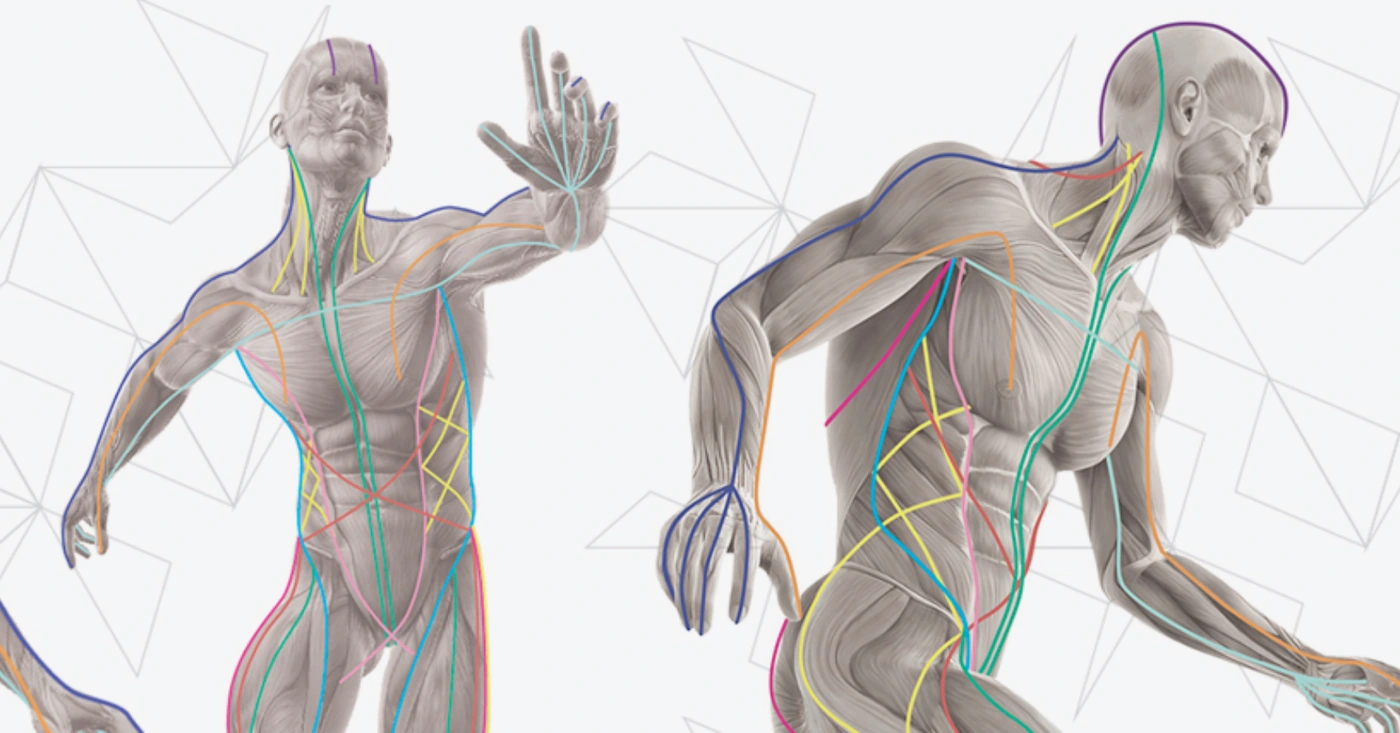
04 — The self-treatment library Four YouTube playlists · from the clinic's own channel
Anatomical figures with the fascia lines drawn on
[ count ]
Playlist 01Both streams

Lateral Line

Activate and release tension along the Lateral Line — a key fascial pathway influencing posture, stability and movement balance.

Watch on YouTube →
A woman's midriff, hands resting at the waist
[ count ]
Playlist 02Both streams

Mid Line

Engage the Mid Line — a fascial and neurological pathway connecting physical balance with emotional regulation.

Watch on YouTube →
A woman with the stomach and intestines drawn over her abdomen
[ count ]
Playlist 03Your stream

Fascia — a detailed overview

The background series: what fascia is and how it behaves, before you put a hand on your own.

Watch on YouTube →
Hands resting low over the abdomen
[ count ]
Playlist 04Stream B only

Common questions

The questions participants ask most, answered on video.

Watch on YouTube →
Inside a session page Week 3 · Session 02 · 12 min
A group following a demonstration on screen
0 of 3 complete
Weeks 1–8
Foundations → breath → sequence → taper.
Scores at week 0, 4 and 8.

Every session page carries the same three things: one video, the steps in order, and today's score. Nothing else — so it still works on a phone, on the floor, at seven in the morning.

Stop if anything is sharp, new or worsening. Sessions are self-applied and never a substitute for assessment.

06 — Before you ask

No. It is a self-applied programme we are testing. Hands-on assessment finds things a video cannot, and if the screening call suggests you need that first, we will say so.

Scores and diary entries are stored in the UK against a participant number, not your name. Analysis is on anonymised data. Ask us to delete it and we delete it, including after the study closes.

Stop, and tell us. Every session states the pressure limits and the stop signs. Anything sharp, new or worsening is a reason to pause and speak to us or your GP — and we log it either way.

Because we want the data. You get eight weeks of guided work; we get outcome measures we can publish and learn from. That is the whole trade, stated plainly.

Designed & built by Keep this Site ↗

Want a site like this for your business? Get in touch